

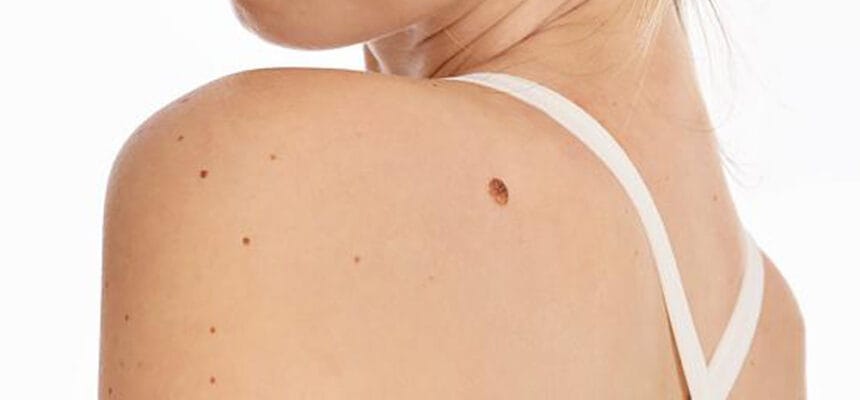

The quest for smooth, blemish-free skin often leads individuals to consider various dermatological procedures. Among the most common concerns are small, fleshy growths known as skin tags. While these are generally harmless, many people choose to have them removed for aesthetic reasons or to prevent irritation caused by clothing and jewelry. When considering Skin Tag Removal in Abu Dhabi, understanding the recovery process is essential for planning your post-treatment care and managing expectations regarding healing times.
Understanding the Skin Tag Removal Process
Skin tags, or acrochordons, are benign skin growths that typically appear in areas where skin rubs against skin or clothing, such as the neck, armpits, and eyelids. The removal process is straightforward and can be performed using several different techniques depending on the size and location of the tag.
Common Removal Methods
Cryotherapy: Using extreme cold to freeze the tissue.
Cauterization: Using heat to burn off the growth.
Excision: Snipping the tag away with sterile surgical scissors.
Ligation: Cutting off the blood supply to the tag until it falls off.
Immediate Post-Procedure Experience
Immediately following the procedure, the treated area may appear slightly red or swollen. Depending on the method used, a small scab or crust will likely form. This is a natural part of the body’s healing mechanism and indicates that the skin underneath is beginning to regenerate.
The Typical Recovery Timeline
Recovery after skin tag removal is remarkably quick compared to more invasive surgical procedures. Most individuals can return to their daily routines almost immediately, though the physical signs of healing take a few days to resolve completely.
The First 24 to 48 Hours
During the first two days, the primary goal is to keep the area clean and protected. You might notice a small “divot” or a dark spot where the tag was located. It is crucial to avoid picking at any crusting that develops, as this protects the new skin forming beneath.
Days 3 to 7: The Healing Phase
By the third day, most minor discomfort or sensitivity has subsided. If a scab formed, it will likely begin to harden and eventually fall off naturally toward the end of the first week. The skin underneath may appear slightly pink or lighter than the surrounding tissue.
One to Two Weeks Post-Treatment
Within ten to fourteen days, the skin usually heals entirely. The pinkish hue will gradually fade to match your natural skin tone. In most cases, there is no visible evidence that a skin tag was ever present.
Factors Influencing Recovery Speed
While the general timeline is consistent, several factors can influence how quickly an individual heals. Understanding these can help you optimize your recovery environment.
The Size and Location of the Tag
Larger skin tags involve more tissue, which naturally requires a slightly longer healing period than smaller, “stalk-like” growths. Additionally, tags located in high-friction areas—like the inner thighs or under the bra line—may take longer to heal if they are constantly rubbed by clothing.
The Removal Technique Used
The method of removal plays a role in the recovery experience. For instance, surgical excision typically results in a clean, small wound that heals very fast. Cryotherapy or cauterization involves a localized “burn” (either cold or heat), which may result in a scab that takes a few extra days to shed.
Individual Healing Rates
Everyone’s body reacts differently to minor skin trauma. Factors such as age, overall skin health, and hydration levels can affect the speed of cellular turnover. Younger skin generally regenerates faster, while those with drier skin might need to focus more on topical moisture.
Best Practices for Post-Removal Care
To ensure the fastest recovery and the best cosmetic outcome, following a simple aftercare routine is vital. Proper care minimizes the chance of prolonged redness and ensures the skin remains smooth.
Keeping the Area Clean and Dry
Gentle hygiene is the cornerstone of recovery. Use a mild, fragrance-free cleanser to wash the area, and pat it dry with a clean towel. Avoid scrubbing the treated site, as this can dislodge the scab prematurely and slow down the healing process.
Protecting the Skin from Irritation
If the removal site is in a location prone to friction, consider wearing loose-fitting clothing made of breathable fabrics like cotton. In some cases, a small adhesive bandage may be recommended for the first day or two to prevent jewelry or collars from rubbing against the sensitive skin.
Avoiding Sun Exposure
New skin is particularly sensitive to ultraviolet (UV) radiation. Exposing a healing wound to the sun can lead to hyperpigmentation, where the spot heals darker than the surrounding skin. Keeping the area shaded or using a high-SPF sunscreen (once the skin has closed) is highly recommended.
When Can You Resume Normal Activities?
One of the most frequently asked questions is how the procedure impacts lifestyle and exercise. Fortunately, the “downtime” is virtually non-existent for most people.
Exercise and Physical Activity
You can generally resume light exercise immediately. However, if the removal site is in an area that sweats heavily or experiences significant friction during workouts (like the underarms), you might want to wait 24 to 48 hours before engaging in high-intensity cardio to prevent irritation.
Swimming and Water Exposure
It is usually best to avoid swimming in pools, hot tubs, or the ocean for at least 48 hours. Chlorine and salt water can be drying or irritating to an open wound. Once a solid scab has formed, brief exposure to water is usually fine, provided the area is dried immediately afterward.
Long-Term Skin Health After Removal
Once the area has healed, the goal shifts to maintaining healthy skin and preventing the formation of new tags in the future.
Monitoring Your Skin
While the removal of a specific tag is permanent, new tags can develop in nearby areas if the conditions (such as friction or skin folding) remain the same. Regularly checking your skin allows you to address new growths early while they are small and even easier to remove.
Maintaining Skin Elasticity
Keeping the skin hydrated and healthy through a balanced diet and proper moisturizing can improve overall skin resilience. While this doesn’t guarantee you won’t get more tags, healthy skin generally responds better to any future dermatological treatments.
Summary of Key Points
Speed of Recovery: Most sites heal within 7 to 14 days, with scabs typically falling off by the end of the first week.
Technique Matters: Methods like excision offer immediate results, while freezing or burning involve a brief scabbing process.
Minimal Downtime: Patients can usually return to work and most daily activities immediately following the procedure.
Aftercare is Simple: Recovery focus should be on keeping the area clean, dry, and protected from friction and sun.
Friction Factors: Tags in high-movement areas may require a little more care to ensure the healing process isn’t interrupted by clothing.
Frequently Asked Questions
Will the skin tag grow back after it is removed?
Once a skin tag is completely removed by a professional, that specific tag will not grow back. However, individuals who are prone to skin tags may develop new ones in the same general area over time due to ongoing friction or genetic predisposition.
Can I apply makeup over the area during recovery?
It is best to avoid applying makeup directly onto the removal site until the skin has completely closed and any scabbing has fallen off. Once the surface is smooth and healed, makeup can be used to cover any temporary pinkness.
Is it necessary to wear a bandage after the procedure?
In many cases, a bandage is not strictly necessary unless the area is likely to rub against clothing. A small dressing can be helpful for the first 24 hours to keep the site clean, but allowing the wound to “breathe” once a scab forms often aids in faster healing.
How soon can I shower after getting a skin tag removed?
Most people can shower the same day or the following morning. It is important to avoid very hot water on the treated area and to use a gentle, unscented soap. Pat the area dry carefully rather than rubbing it with a towel.