


Introduction
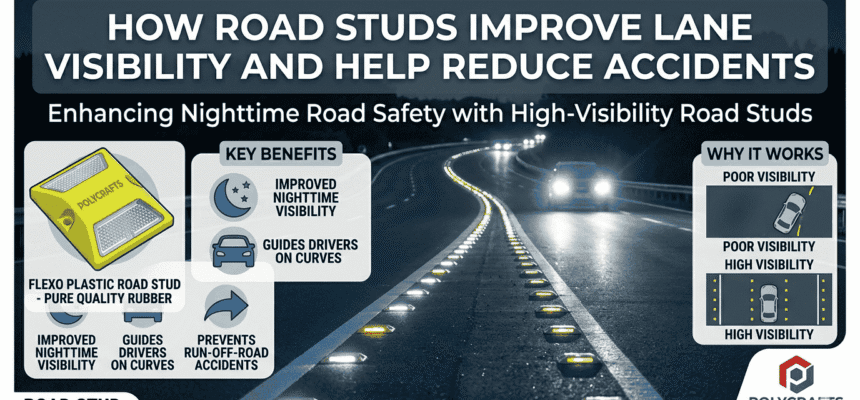
Road safety is of paramount importance in urban and rural environments. Road studding can be one of the most effective and simple ways to increase safety on the road. These devices enhance lane visibility, give clear guidance to drivers in low-light situations, and reduce traffic accidents.
- Introduction
- What Are Road Studs
- Benefits of Road Studs
- Road Studs as a Safety Measure
- Installation Instructions for Road Studs
- Standards for Road Studs
- Selecting the Right Road Studs
- Maintenance Guidelines for Road Studs
- Avoiding common mistakes
- FAQs about Road Studs
- Q1: Do road studs work in all weather conditions?
- Q2: Can road studs replace lane markings?
- Q3: How long do road studs last?
- Q4: Are road studs expensive to install?
- Q5: How do road studs help in industrial zones?
- Q6: Can I use solar-powered road studs?
- Conclusion
In this comprehensive guide we will examine what road studs are, how to install them, regulatory requirements, and the way they complement other safety features such as load dock bumpers for industrial and logistics environments. By understanding the road stud’s functions, road planners and drivers can improve safety in workplaces and on roads.
What Are Road Studs
Road Studs or cat’s eyes are reflective markers embedded onto road surfaces. They act as visual indicators to drivers, especially during the night, bad weather, and in places with low visibility.
Materials used for road Studs
- Plastic Road Studs: Lightweight and cost effective, ideal for temporary areas or zones with low traffic.
- Road Studs: are durable and resistant to impact from vehicles, making them ideal for busy urban streets.
- Metal Road Studs: are heavy-duty, durable and used often on highways.
- Reflective Glass Road Studs: Embedded with reflective glass lenses that provide maximum visibility when it is foggy or dark.
Types and sizes of road Studs
Raised reflective studs: Visible tactile markers alerting drivers by both sight and feel.
Inlaid Reflective Studs: Flush to the road surface. This ensures durability, and minimizes impact from vehicles.
Solar Powered LED Road Studs: Offers improved night visibility powered by solar energy.
Benefits of Road Studs
Improve Lane Visibility
Road studs delineate lanes clearly, guiding motorists along curves, intersecting roads, and lanes when visibility is low. Reflective surfaces make lane markings more visible in poor weather or darkness.
Reduce Accidents
Road studs provide a clear boundary for the lane, reducing lane drifting. They also reduce collisions and run off-road incidents. These road studs serve as an extra visual aid for drivers in maintaining safe driving habits.
Aid in Traffic Management
Road studs can help drivers to be more aware of pedestrian crossings as well as hazardous zones and intersections. They can improve traffic flow because they increase driver awareness.
Durable and Low-Maintenance
The high-quality road studs will withstand heavy traffic conditions, weather conditions and wear with time. This makes them an effective road safety solution.
Road Studs as a Safety Measure
Combining road studs with other road safety measures is the best option. Load dock bumpers are a good combination. They are used in industrial zones as well as warehouses and commercial loading areas.
- Visual guidance: road studs provide a clear path leading to loading zones.
- Accident Prevention: Loading & Parking Dock Bumpers protect vehicles, equipment, and infrastructure against damage.
- Integrated Security: The combination of road studs combined with dock bumpers will provide both lanes guidance, and protective physical protection.
Installation Instructions for Road Studs
The safety benefits of road spikes are maximized by installing them properly.
Selecting the Best Location
- Curves, Turns, and Winding Roads: road studs work best on sharp curves.
- Intersections: Place studding at intersections for better vehicle navigation and to reduce confusion.
- High Speed Zones: Embed reflective studding on highways for increased visibility.
Installation methods
- Adhesive-Mounting: Suitable for urban roads, low traffic, and temporary installation.
- Embedding in Asphalt/Concrete: Permanent installation that can withstand heavy traffic.
- Fixing Metal: Metal studs are secured to the surface with bolts and screws.
Height and Placement Standards
- For tactile feedback, it is recommended that road studs be placed between 8-10mm from the surface of the road.
- The spacing between the studs can vary depending on road types and speed limits (usually 10-12 m on highways).
- The reflective studs on the road should face forward for maximum efficiency.
Standards for Road Studs
The use of road spikes is regulated by many different countries and municipalities.
International Guidelines
- Uniform Traffic Control Devices Guide: Specifies reflectivity standards, placements, and color codes.
- European Norm: Defining materials, impact resistant, and installation methods.
Local Requirements
- Reflective road studs have been mandated by many rural and urban authorities, especially in areas of high accident rates and low visibility.
- The compliance ensures not just safety, but legal adherence.
Selecting the Right Road Studs
There are many factors to consider when selecting the right road stud.
Traffic Volume
- Roads With High Traffic: Use durable metal or rubber studs.
- Low-Traffic Areas: Plastic or smaller reflective studs will suffice.
Environmental Conditions
- Highly reflective studs can be used in wet and snowy conditions.
- UV-resistant road materials are needed to protect the surface of roads exposed to sunlight.
Vehicle Speed
- In high-speed areas, drivers need brighter and better-spaced studs in order to have adequate reaction time.
Maintenance Guidelines for Road Studs
- Regularly inspect studs to check for damage and wear.
- Replace missing or damaged studs without delay.
- Keep reflective surfaces clean for maximum visibility.
Avoiding common mistakes
- Installing studs in low-light areas without reflective surfaces.
- The effectiveness of studs is diminished when they are placed too far apart.
- Ignoring tactile feedback requirements for visually impaired drivers.
- It is not recommended to combine road studs, such as loading dock bumpers, with other safety gear in industrial areas.
FAQs about Road Studs
Q1: Do road studs work in all weather conditions?
A1: Yes, high-quality road studs are designed to withstand rain, snow, and fog. Reflective studs remain visible even in low-light conditions.
Q2: Can road studs replace lane markings?
A2: No, road studs complement lane markings and provide additional visibility. They are not a substitute for painted lines.
Q3: How long do road studs last?
A3: Depending on material and traffic, rubber studs last 3-5 years, while metal studs can last 10+ years.
Q4: Are road studs expensive to install?
A4: Installation costs vary by material and method. Embedded studs are more expensive initially but offer long-term durability.
Q5: How do road studs help in industrial zones?
A5: They guide vehicle movement safely, especially near areas with equipment or loading docks. Using loading dock bumpers alongside studs adds protection against collisions.
Q6: Can I use solar-powered road studs?
A6: Yes, solar-powered LED studs are ideal for high-visibility areas and reduce maintenance costs.
Conclusion
Road studs improve visibility in lanes and prevent accidents. They are durable and affordable. By choosing the right type and installing them correctly, as well as adhering to regulations, road planners can enhance traffic safety.
For warehouses and industrial areas, integrating Loading dock bumpers with road studs will provide both visual and physical guidance, creating a safe environment for vehicles, employees, and cargo.
A small investment in high quality road studs can lead to better roads, less accidents, and an efficient traffic control.