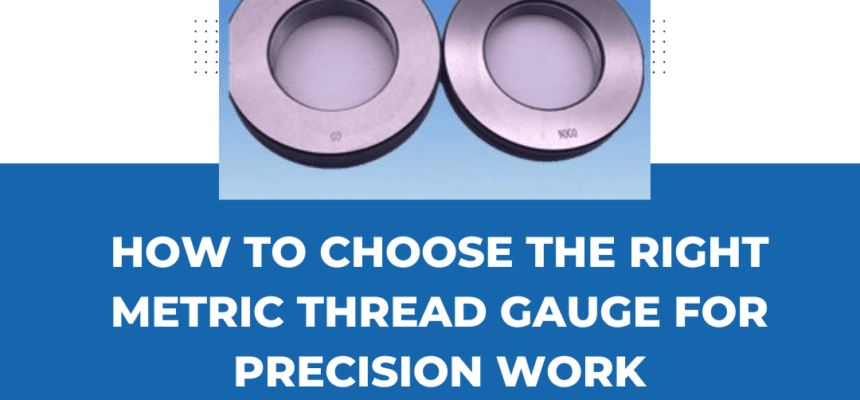

Precision is the backbone of modern engineering and manufacturing. Whether you’re working in automotive production, aerospace engineering, or general machining, even the smallest measurement error can lead to costly failures. One essential tool that ensures accuracy in threaded components is the metric thread gauge. Choosing the right metric thread gauge is not just about picking a tool off the shelf—it requires understanding your application, standards, and the level of precision needed.
In this blog, we’ll break down everything you need to know to choose the right Metric thread gauge for precision work.
Understanding Metric Thread Gauges
Metric thread gauges are specialized tools used to check the accuracy of threaded parts. They help determine whether a thread conforms to specified tolerances and standards. These gauges are typically used for both internal (nuts) and external (bolts) threads and are essential for quality control.
The most common types include:
- Thread Plug Gauges – Used for internal threads
- Thread Ring Gauges – Used for external threads
- Thread Pitch Gauges – Used to identify thread pitch
Each type serves a unique purpose, so understanding your requirements is the first step toward making the right choice.
Identify Your Application Needs
Before selecting a metric thread gauge, consider where and how it will be used. Different industries have different tolerance levels and compliance requirements.
- Automotive Industry: Requires high repeatability and durability
- Aerospace: Demands extremely tight tolerances and certified gauges
- General Manufacturing: May allow slightly broader tolerances
If you’re working in a high-precision field, you’ll need gauges that meet strict international standards and offer superior accuracy.
Know the Relevant Standards
Metric thread gauges are manufactured according to international standards such as ISO, DIN, and JIS. These standards define thread dimensions, tolerances, and testing procedures.
Choosing a gauge that complies with the correct standard ensures compatibility with your components. For example:
- ISO Standards: Widely used globally
- DIN Standards: Common in European manufacturing
- JIS Standards: Used in Japanese industries
Always verify which standard your project requires before purchasing a gauge.
Consider Tolerance and Accuracy
Tolerance is a critical factor when selecting a thread gauge. In precision work, even a micron-level deviation can cause assembly issues or product failure.
Thread gauges are typically classified as:
- Go Gauges: Ensure the thread fits within the maximum material limit
- No-Go Gauges: Ensure the thread does not exceed the minimum material limit
A high-quality gauge should provide consistent and reliable results over repeated use. For precision applications, always opt for gauges with tighter tolerances and certified calibration.
Material and Build Quality
The durability and performance of a thread gauge depend heavily on the material used in its construction. High-quality gauges are typically made from hardened tool steel or carbide.
- Tool Steel Gauges: Cost-effective and suitable for general use
- Carbide Gauges: Offer superior wear resistance and longer lifespan
If your work involves high-volume inspection, investing in carbide gauges can save money in the long run due to reduced wear and replacement frequency.
Calibration and Certification
Calibration ensures that your thread gauge maintains its accuracy over time. For precision work, it is essential to use gauges that come with calibration certificates from accredited laboratories.
Regular recalibration is also necessary, especially in industries with strict quality control requirements. Always check:
- Calibration frequency recommendations
- Traceability to national or international standards
- Availability of certification documents
Using uncertified or poorly calibrated gauges can compromise your entire measurement process.
Ergonomics and Ease of Use
While accuracy is critical, usability should not be overlooked. A well-designed thread gauge should be easy to handle, especially during repetitive tasks.
Look for features such as:
- Knurled handles for better grip
- Clear markings for easy identification
- Lightweight yet durable construction
Good ergonomics can improve efficiency and reduce operator fatigue, particularly in high-volume production environments.
Environmental Considerations
Your working environment can also influence your choice of thread gauge. Factors such as temperature, humidity, and exposure to contaminants can affect measurement accuracy.
For harsh environments:
- Choose corrosion-resistant materials
- Store gauges in protective cases
- Avoid exposure to extreme temperature fluctuations
Maintaining proper storage and handling practices will extend the life of your gauges and ensure consistent performance.
Cost vs. Value
While it may be tempting to choose the cheapest option, thread gauges are an investment in quality. Low-cost gauges may wear out जल्दी or provide inaccurate readings, leading to costly rework or product failure.
Instead, focus on value:
- Long-term durability
- Accuracy and reliability
- After-sales support and calibration services
A slightly higher upfront cost can result in significant savings over time.
Choosing a Reliable Supplier
Selecting the right supplier is just as important as choosing the right gauge. A trusted manufacturer or distributor will provide:
- High-quality, standards-compliant products
- Proper documentation and certification
- Technical support and guidance
Gaugestools is known for delivering precision-engineered thread gauges that meet international standards. With a commitment to quality and customer satisfaction, they offer a wide range of metric thread gauges suitable for various industries.
Final Thoughts
Choosing the right metric thread gauge for precision work is a critical decision that impacts product quality, safety, and performance. By understanding your application, adhering to standards, and prioritizing quality over cost, you can ensure accurate and reliable measurements every time.
Remember, precision tools are not just instruments they are the foundation of excellence in engineering. Investing in the right metric thread gauge today will pay dividends in the form of consistent quality and operational efficiency. If you’re looking for dependable and high-precision metric thread gauges, Gaugestools offers solutions designed to meet the most demanding requirements. Make the right choice today and ensure perfection in every thread.