

Mining operations generate massive amounts of waste, and managing it safely is a major challenge. A mine tailings dredge offers an efficient and cost-effective solution for handling slurry, sediment, and leftover materials. This guide explains how it works, why it matters, and how to choose the right system.
- What Is A Mine Tailings Dredge?
- Why Mine Tailings Dredge Is Essential For Mining Operations
- How Does A Mine Tailings Dredge Work?
- Key Benefits Of Using A Mine Tailings Dredge
- How To Choose The Right Mine Tailings Dredge?
- Applications Of Mine Tailings Dredge In Different Mining Sectors
- Maintenance Tips For Long-Lasting Dredge Performance
- Conclusion
What Is A Mine Tailings Dredge?
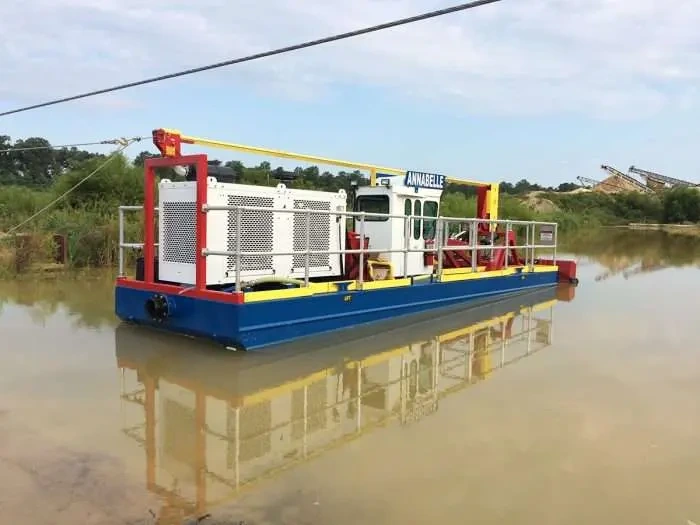
A mine tailings dredge is a specialized machine designed to remove slurry, sludge, and fine waste materials from mining ponds, tailings storage facilities, and settling basins. These dredges operate by suction or cutting mechanisms that loosen and transport material through pipelines to designated disposal or processing areas.
Unlike traditional excavation equipment, dredges can work continuously in water-filled environments without the need for draining ponds. This makes them highly efficient for mining operations where downtime can be costly. They are commonly used in gold, coal, iron ore, and mineral sand mining industries.
Mine tailings dredges are engineered to handle abrasive materials and high solid concentrations. Their durability and adaptability make them ideal for both small-scale and large industrial mining projects. By automating waste removal, they also reduce labor costs and improve overall operational efficiency.
Why Mine Tailings Dredge Is Essential For Mining Operations
A mine tailings dredge plays a critical role in maintaining safe and productive mining environments. Over time, tailings ponds accumulate sediment, reducing storage capacity and increasing the risk of overflow or environmental contamination. Dredging ensures that these ponds remain functional and compliant with safety standards.
One of the biggest advantages is environmental protection. Proper dredging prevents harmful materials from leaking into nearby water sources or soil. It also helps mining companies meet strict environmental regulations, avoiding fines and reputational damage.
In addition, using a dredge improves resource recovery. Many tailings still contain valuable minerals that can be reprocessed. By removing and transporting this material efficiently, mining companies can maximize profits while minimizing waste.
How Does A Mine Tailings Dredge Work?
A mine tailings dredge operates using a combination of mechanical and hydraulic processes. The most common types include cutter suction dredges and auger dredges, both designed to handle dense slurry and compacted materials.
The process begins with the dredge loosening the tailings using a cutter head or auger. Once the material is dislodged, it is mixed with water to form a slurry. This slurry is then pumped through pipelines to a designated disposal area, processing plant, or storage facility.
Modern dredges are equipped with advanced control systems, allowing operators to monitor performance, adjust cutting depth, and optimize efficiency. Some systems even offer GPS tracking and automation features for precise dredging.
Key Benefits Of Using A Mine Tailings Dredge
Using a mine tailings dredge offers several advantages that make it a preferred choice in the mining industry. First, it improves efficiency by enabling continuous material removal without stopping operations. This reduces downtime and increases overall productivity.
Second, dredges are cost-effective. They eliminate the need for draining ponds or using multiple pieces of heavy equipment. With fewer resources required, operational costs are significantly reduced.
Another major benefit is safety. Working in tailings ponds can be hazardous due to unstable ground and toxic materials. Dredges allow operators to manage these environments remotely, minimizing risks to workers.
Additionally, dredging supports environmental sustainability. By maintaining proper tailings storage and preventing overflow, companies can protect surrounding ecosystems. It also enables the recovery of valuable minerals, reducing waste and promoting resource efficiency.
How To Choose The Right Mine Tailings Dredge?
Selecting the right mine tailings dredge depends on several factors, including the type of material, pond size, and project requirements. Understanding these factors is essential for making an informed decision.
Start by evaluating the material characteristics. If the tailings are highly compacted or abrasive, a cutter suction dredge may be the best option. For softer materials, an auger dredge might be more suitable.
Next, consider the size and depth of the tailings pond. Larger ponds require more powerful dredges with higher pumping capacity. It is also important to assess the distance the material needs to be transported, as this will impact pipeline design and pump selection.
Another key factor is ease of operation. Look for dredges with user-friendly controls and automation features. This will reduce the need for skilled labor and improve efficiency.
Applications Of Mine Tailings Dredge In Different Mining Sectors
Mine tailings dredges are used across a wide range of mining industries due to their versatility and efficiency. In gold mining, they help recover fine particles from tailings ponds, increasing overall yield. In coal mining, dredges are used to remove slurry and maintain sedimentation ponds.
Iron ore mining operations rely on dredging to manage large volumes of waste material and maintain storage capacity. Similarly, mineral sand mining uses dredges to transport and process materials efficiently.
These machines are also widely used in environmental remediation projects. They help remove contaminated sediments from water bodies, restoring ecosystems and improving water quality.
Maintenance Tips For Long-Lasting Dredge Performance
Proper maintenance is essential for ensuring the longevity and efficiency of a mine tailings dredge. Regular inspections should be conducted to identify wear and tear on key components such as pumps, cutters, and pipelines.
Lubrication is another important aspect. Keeping moving parts well-lubricated reduces friction and prevents premature failure. It is also important to monitor hydraulic systems and replace fluids as needed.
Cleaning the dredge after operation helps prevent buildup of abrasive materials, which can damage components over time. Operators should also check for leaks and ensure that all connections are secure.
Training staff on proper operation and maintenance procedures is equally important. Well-trained operators can identify potential issues early and take corrective action before they become major problems.
Conclusion
A mine tailings dredge is an essential tool for modern mining operations, offering efficiency, safety, and environmental benefits. From managing waste to recovering valuable resources, these machines play a crucial role in optimizing mining processes.