


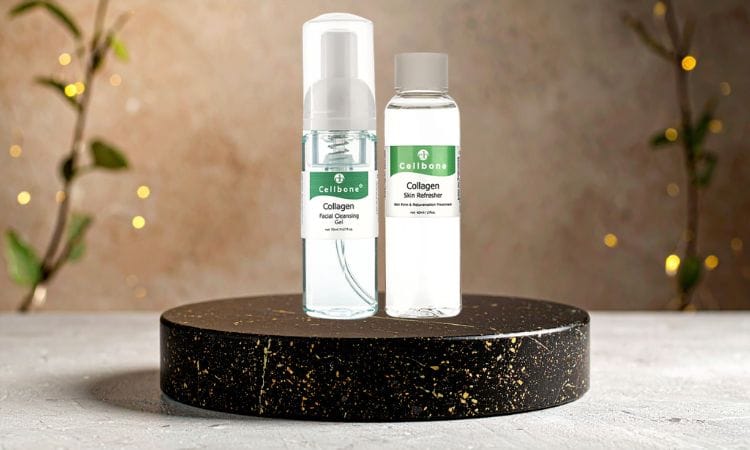

If your skincare routine feels confusing, you’re not doing anything wrong. Most people were told to wash their face and “maybe use toner,” without much explanation beyond that. The truth is, knowing when and how often to use cleanser & toner can make a noticeable difference in how your skin looks and feels day to day. Used correctly, these two steps create the foundation for healthy skin. Used incorrectly, they can leave your face dry, irritated, or strangely oily.
In this guide, we’ll break down what cleanser and toner actually do, how often you should be using them based on your skin type, and how they fit into a realistic routine that works long-term.
Why Cleanser and Toner Are the Backbone
Before serums, creams, or treatments can do their job, your skin needs a clean, balanced surface. Cleanser removes dirt, oil, sweat, and environmental buildup. Toner steps in to rebalance the skin after cleansing and prep it for what comes next.
Many people skip toner because they think it’s optional or harsh. Others overuse cleanser, scrubbing their face like it’s a greasy pan. Both approaches can throw off your skin barrier. When used correctly, cleanser and toner work together to support hydration, reduce irritation, and improve how your skin responds to every other product.
How Often Should You Use a Cleanser?
Morning Cleansing: Yes or No?
For most people, cleansing in the morning is helpful. Overnight, your skin produces oil and sheds cells. A gentle cleanser removes that buildup and creates a clean slate for sunscreen and moisturizer.
If your skin is extremely dry or sensitive, a water rinse or very mild cleanser in the morning may be enough. Oily or acne-prone skin usually benefits from a proper cleanse.
Night Cleansing: Non-Negotiable
At night, cleansing is essential. You’re removing sunscreen, pollution, sweat, and anything your skin picked up during the day. Skipping this step can clog pores and dull your complexion over time.
For heavy makeup or sunscreen, a double cleanse can help. Start with an oil-based cleanser, then follow with a gentle water-based one.
How Often Should You Use Toner?
Toner isn’t about stripping skin anymore. Modern toners hydrate, soothe, and rebalance.
Most people can use toner once or twice a day, right after cleansing. If your toner contains exfoliating acids, using it once a day or a few times a week is usually enough. Hydrating or calming toners can be used more frequently.
The key is paying attention to how your skin feels. If it looks calmer and more comfortable, you’re on the right track. If it feels tight or irritated, scale back.
Cleanser & Toner by Skin Type
Oily and Acne-Prone Skin
Cleansing twice daily helps control excess oil. Toner can help refine pores and keep skin balanced, especially if it contains calming or oil-regulating ingredients.
Dry Skin
Gentle cleansing once or twice daily works best. Toner should focus on hydration rather than exfoliation. Over-cleansing is a common cause of dryness.
Sensitive Skin
Less is more. A mild cleanser and soothing toner once daily may be enough. Avoid alcohol-heavy formulas.
Combination Skin
Cleanse twice daily, but use a toner that balances without over-drying. Hydrating toners often work better than astringent ones.
The Right Order
Order matters in skincare. Cleanser always comes first, followed immediately by toner. Toner works best when applied to clean skin, before serums or treatments.
After toner, you can move on to targeted products like serums, followed by moisturizer. At night, this is also where richer products, including a stem cell cream, can support skin repair and recovery once the skin is properly prepped.
Common Mistakes People Make
One of the biggest mistakes is using a cleanser that’s too harsh. If your face feels squeaky-clean, that’s not a good sign. It often means your natural oils were stripped away.
Another mistake is thinking toner should sting or tingle. A healthy toner should feel refreshing, not aggressive.
Using too many exfoliating products at once is another issue. If your cleanser, toner, and treatment all exfoliate, irritation is almost guaranteed.
How Cleanser and Toner Improve Long-Term Skin Health
Consistent, balanced cleansing helps maintain a healthy skin barrier. When the barrier is intact, skin holds onto moisture better, reacts less to environmental stress, and looks smoother overall.
Toner supports this process by restoring balance after cleansing and helping other products absorb evenly. Over time, this consistency can reduce breakouts, improve texture, and make your routine more predictable.
This foundation is especially important if you use advanced products later in your routine. Clean, balanced skin allows treatments and creams to work more efficiently without overwhelming the skin.
How Often Is Too Often?
More is not always better. Cleansing more than twice a day can lead to dryness and sensitivity. Toner, depending on the formula, can be overused as well.
If your skin feels tight, itchy, or suddenly oily, those are signs you may be doing too much. Pulling back often restores balance faster than adding more products.
Conclusion
Knowing when and how often to use cleanser & toner takes the guesswork out of skincare. These two steps aren’t about perfection. They’re about consistency and balance. When used correctly, they create a clean, calm foundation that supports everything else you apply.
Frequently Asked Questions
Should I use cleanser and toner every day?
Yes. Most people benefit from daily use, with frequency adjusted to skin type.
Is toner really necessary?
It’s not mandatory, but it helps balance skin and improves how other products absorb.
Can I skip cleanser in the morning?
Some dry or sensitive skin types can, but most people benefit from a gentle morning cleanse.
Should toner be applied with a cotton pad or hands?
Either works. Hands are gentler and reduce product waste.
Can cleanser and toner cause breakouts?
Yes, if they’re too harsh or used too often. Choosing gentle formulas helps prevent this.
How long should I wait between cleanser and toner?
No waiting is needed. Apply toner immediately after cleansing.