


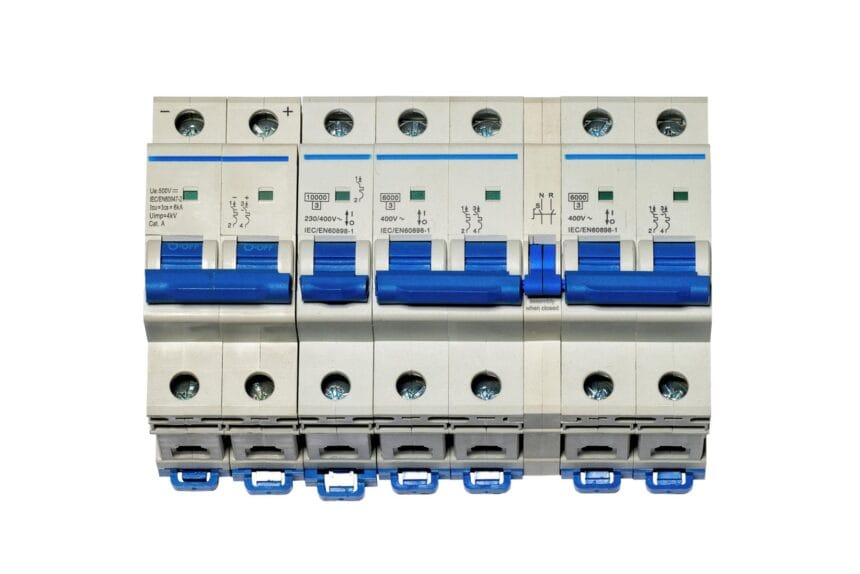

Electrical safety is one of the most critical aspects of modern infrastructure, whether in homes, offices, or industrial facilities. With the increasing reliance on electrical appliances and systems, the demand for reliable protection devices has grown significantly. Among these, the miniature circuit breaker has become an essential component in ensuring safe and efficient power distribution. Alongside other types of circuit breakers, it plays a vital role in preventing electrical hazards and maintaining system stability.
- What is a Miniature Circuit Breaker?
- How Does a Miniature Circuit Breaker Work?
- Types of Circuit Breakers
- 1. MCB (Miniature Circuit Breaker)
- 2. MCCB (Molded Case Circuit Breaker)
- 3. RCCB (Residual Current Circuit Breaker)
- 4. ACB (Air Circuit Breaker)
- Importance of Circuit Breakers in Pakistan
- Advantages of Miniature Circuit Breakers
- Key Features to Consider When Choosing Circuit Breakers
- Applications of Miniature Circuit Breakers
- Installation and Maintenance Tips
- Future of Circuit Protection in Pakistan
- Conclusion
In Pakistan, where voltage fluctuations and overload conditions are common, selecting the right protection system is not just important—it is necessary. This article provides a comprehensive overview of miniature circuit breaker technology, its benefits, working principles, and how it compares with other circuit breakers.
What is a Miniature Circuit Breaker?
A miniature circuit breaker is an automatically operated electrical switch designed to protect circuits from damage caused by overload or short circuits. Unlike traditional fuses, which need replacement after a fault, these devices can be reset manually or automatically, making them more convenient and cost-effective.
These breakers are commonly used in residential and light commercial electrical systems. They are compact, reliable, and designed to interrupt electrical flow instantly when abnormal conditions occur.
How Does a Miniature Circuit Breaker Work?
The working mechanism of a miniature circuit breaker is based on two main principles:
Thermal Protection (Overload)
When excessive current flows through a circuit for an extended period, a bimetallic strip inside the breaker heats up and bends. This bending action triggers the tripping mechanism, disconnecting the circuit.
Magnetic Protection (Short Circuit)
In case of a sudden surge or short circuit, a magnetic coil generates a strong magnetic field. This force instantly trips the breaker, cutting off the power supply within milliseconds.
This dual protection system ensures both gradual and instantaneous faults are handled efficiently.
Types of Circuit Breakers
While the miniature circuit breaker is widely used, there are several types of circuit breakers designed for different applications:
1. MCB (Miniature Circuit Breaker)
Used in homes and small offices for low current applications.
2. MCCB (Molded Case Circuit Breaker)
Designed for higher current ratings and industrial use.
3. RCCB (Residual Current Circuit Breaker)
Protects against earth leakage and electric shocks.
4. ACB (Air Circuit Breaker)
Used in large-scale industrial and commercial power systems.
Each type serves a specific purpose, and choosing the right one depends on the load requirements and safety considerations.
Importance of Circuit Breakers in Pakistan
Pakistan faces unique electrical challenges, including:
- Frequent voltage fluctuations
- Overloaded distribution systems
- Power outages and sudden surges
These conditions increase the risk of electrical damage and fire hazards. High-quality circuit breakers help mitigate these risks by ensuring:
- Immediate disconnection during faults
- Protection of expensive appliances
- Improved overall electrical safety
For both residential and commercial users, investing in reliable protection devices is essential for long-term safety and efficiency.
Advantages of Miniature Circuit Breakers
The growing popularity of miniature circuit breaker systems is due to their numerous benefits:
1. Reusability
Unlike fuses, they do not need replacement after tripping.
2. Fast Response Time
They react instantly to short circuits and overloads.
3. Compact Design
Their small size makes them ideal for modern distribution boards.
4. Easy Installation
They are simple to install and require minimal maintenance.
5. Enhanced Safety
They reduce the risk of electrical fires and equipment damage.
Key Features to Consider When Choosing Circuit Breakers
When selecting circuit breakers for your home or business, consider the following factors:
Current Rating
Choose a breaker that matches the load requirements of your circuit.
Breaking Capacity
This indicates the maximum fault current the breaker can safely interrupt.
Trip Curve
Different applications require different trip characteristics (Type B, C, or D).
Brand Reliability
Always opt for reputable manufacturers to ensure quality and durability.
Applications of Miniature Circuit Breakers
The miniature circuit breaker is widely used across various sectors due to its versatility:
Residential Use
Protects household wiring, lighting systems, and appliances.
Commercial Buildings
Ensures safe operation of office equipment and electrical installations.
Industrial Settings
Used for low-power machinery and control circuits.
Renewable Energy Systems
Provides protection in solar panel installations and other alternative energy setups.
Installation and Maintenance Tips
To maximize the performance and lifespan of your circuit breakers, follow these best practices:
- Always hire a qualified electrician for installation
- Avoid overloading circuits beyond their rated capacity
- Regularly inspect the distribution board for signs of wear
- Test breakers periodically to ensure proper functioning
Proper maintenance not only enhances safety but also improves the efficiency of your electrical system.
Future of Circuit Protection in Pakistan
As Pakistan continues to develop its infrastructure and adopt modern technologies, the demand for advanced circuit breakers is expected to grow. Smart breakers with remote monitoring capabilities and improved safety features are becoming increasingly popular.
These innovations will help users monitor energy consumption, detect faults in real time, and enhance overall electrical management systems.
Conclusion
The importance of reliable electrical protection cannot be overstated, especially in regions where power instability is a common issue. The miniature circuit breaker has emerged as a dependable solution for safeguarding electrical systems in homes and businesses alike. Alongside other types of circuit breakers, it provides essential protection against overloads, short circuits, and potential hazards.
By understanding how these devices work and choosing the right type for your needs, you can ensure a safer and more efficient electrical environment. Investing in quality protection today not only prevents costly damage but also provides peace of mind for the future.