

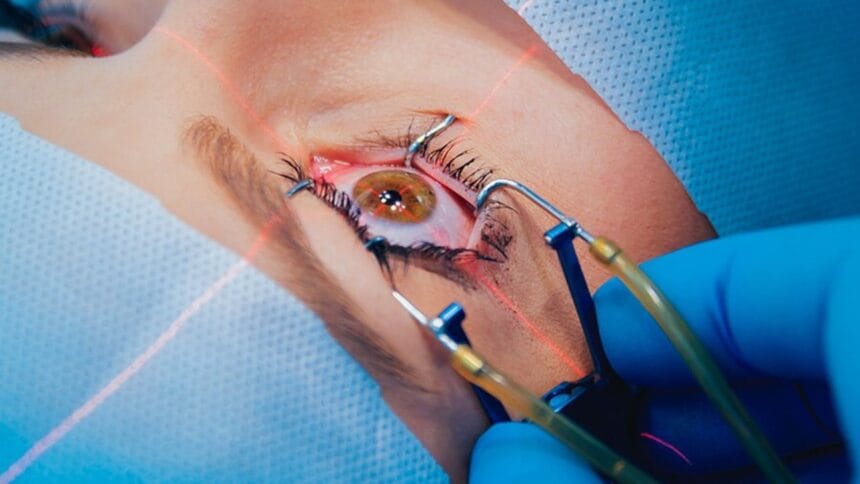

The retina is one of the most important parts of the eye, and any issue with it can affect your vision greatly.
- What Is the Retina?
- Why You May Need a Retina Specialist
- Common Retina Conditions
- 1. Diabetic Retinopathy
- 2. Retinal Detachment
- 3. Age-Related Macular Degeneration (AMD)
- 4. Macular Edema
- 5. Retinal Vein Occlusion
- Tests Used to Diagnose Retina Problems
- 1. Dilated Eye Exam
- 2. Optical Coherence Tomography (OCT)
- 3. Fundus Photography
- 4. Fluorescein Angiography
- 5. Ultrasound Imaging
- Treatment Options for Retina Conditions
- 1. Medications and Injections
- 2. Laser Treatment
- 3. Vitrectomy Surgery
- 4. Retinal Detachment Repair
- 5. Lifestyle Management
- Importance of Early Diagnosis
- What to Expect During Your Visit
- Tips to Protect Your Retina Health
- When Should You Seek Immediate Help?
- Final Thoughts
If you are experiencing vision changes, it is important to consult a retina specialist dubai who can properly diagnose and treat your condition. Retina problems can develop slowly, and early detection can make a big difference in protecting your eyesight.
In this blog, we will explain what the retina is, common retina problems, the tests used for diagnosis, and the different treatments available. Everything is written in simple language so that anyone can understand.
What Is the Retina?
The retina is a thin layer of tissue at the back of your eye. It works like a camera film. When light enters your eye, the retina captures it and sends signals to your brain through the optic nerve. This is how you are able to see images clearly.
If the retina is damaged, your vision can become blurry, distorted, or even completely lost. That is why retinal health is very important.
Why You May Need a Retina Specialist
A retina specialist is an eye doctor who focuses on diseases and conditions that affect the retina. Not all eye doctors treat retinal problems, so seeing a specialist is important when needed.
You may need to visit a retina specialist if you notice:
- Sudden loss of vision
- Blurred or distorted vision
- Dark spots or floaters
- Flashes of light
- Difficulty seeing at night
- Straight lines appearing wavy
These symptoms should not be ignored. Early treatment can prevent permanent damage.
Common Retina Conditions
There are several conditions that can affect the retina. Let’s look at some of the most common ones.
1. Diabetic Retinopathy
This condition happens in people with diabetes. High blood sugar levels damage the blood vessels in the retina. Over time, this can lead to vision loss.
Symptoms:
- Blurry vision
- Dark spots
- Vision loss
Early stages may not show symptoms, so regular check-ups are important.
2. Retinal Detachment
This is a serious condition where the retina pulls away from the back of the eye. It needs immediate medical attention.
Symptoms:
- Sudden flashes of light
- Floaters
- A shadow or curtain over vision
If not treated quickly, it can cause permanent blindness.
3. Age-Related Macular Degeneration (AMD)
This condition mainly affects older adults. It damages the central part of the retina (macula), which is responsible for sharp vision.
Symptoms:
- Blurry central vision
- Difficulty reading
- Straight lines appearing distorted
4. Macular Edema
This happens when fluid builds up in the macula, causing swelling.
Symptoms:
- Blurry or wavy vision
- Colors appearing faded
5. Retinal Vein Occlusion
This condition occurs when a vein in the retina becomes blocked, leading to poor blood flow.
Symptoms:
- Sudden vision loss
- Blurred vision
Tests Used to Diagnose Retina Problems
A retina specialist uses different tests to check the health of your retina. These tests are simple, safe, and usually painless.
1. Dilated Eye Exam
Eye drops are used to widen your pupils. This allows the doctor to clearly see the retina.
What to expect:
- Slight blurry vision for a few hours
- Sensitivity to light
2. Optical Coherence Tomography (OCT)
This is a very advanced imaging test. It takes detailed pictures of the retina and shows its layers.
Why it is important:
- Detects swelling or thinning
- Helps monitor treatment progress
3. Fundus Photography
This test takes pictures of the back of your eye.
Uses:
- Track changes over time
- Detect diseases early
4. Fluorescein Angiography
A special dye is injected into your arm, and images of your retina are taken.
Purpose:
- Shows blood flow in the retina
- Detects leaking or blocked vessels
5. Ultrasound Imaging
This test is used when the retina cannot be seen clearly due to cataracts or bleeding.
Treatment Options for Retina Conditions
Treatment depends on the type and severity of the condition. A retina specialist will suggest the best option for you.
1. Medications and Injections
For many conditions like diabetic retinopathy and macular degeneration, injections are used.
How it works:
- Medicine is injected into the eye
- Reduces swelling
- Stops abnormal blood vessel growth
This may sound scary, but it is quick and usually painless.
2. Laser Treatment
Laser therapy is used to treat various retinal problems.
Uses:
- Seal leaking blood vessels
- Prevent further damage
Laser treatment is commonly used for diabetic eye disease.
3. Vitrectomy Surgery
This is a surgical procedure used for serious retinal problems.
When it is needed:
- Severe bleeding
- Retinal detachment
- Scar tissue removal
During the procedure, the doctor removes the gel inside the eye and replaces it with a clear solution.
4. Retinal Detachment Repair
This includes different procedures such as:
- Pneumatic retinopexy
- Scleral buckle
- Vitrectomy
The goal is to place the retina back in its normal position.
5. Lifestyle Management
Some retina conditions can be managed with lifestyle changes.
Important tips:
- Control blood sugar (for diabetes)
- Maintain healthy blood pressure
- Eat a balanced diet
- Avoid smoking
Importance of Early Diagnosis
Many retina diseases do not show symptoms in the early stages. By the time you notice vision problems, the damage may already be serious.
That is why regular eye check-ups are very important, especially if you:
- Have diabetes
- Are above 40 years of age
- Have a family history of eye disease
Early diagnosis can:
- Prevent vision loss
- Reduce treatment cost
- Improve treatment success
What to Expect During Your Visit
Visiting a retina specialist is simple and comfortable.
Steps during your visit:
- Medical history review
- Vision test
- Eye examination
- Imaging tests (if needed)
- Diagnosis and treatment plan
The doctor will explain everything clearly and answer your questions.
Tips to Protect Your Retina Health
Taking care of your eyes does not have to be complicated. Here are some simple tips:
- Eat foods rich in vitamins A, C, and E
- Wear sunglasses to protect from UV rays
- Take breaks from screen time
- Keep your diabetes and blood pressure under control
- Get regular eye check-ups
When Should You Seek Immediate Help?
Some symptoms require urgent attention. Do not delay if you notice:
- Sudden vision loss
- Flashes of light
- Increase in floaters
- A dark shadow in your vision
These could be signs of serious retinal problems.
Final Thoughts
Your vision is one of your most valuable senses, and taking care of it should always be a priority. Retina conditions can be serious, but with the right care and timely treatment, many problems can be managed effectively.
If you are experiencing any vision changes or are at risk of retinal diseases, consulting a specialist is the best step you can take. Early diagnosis and proper treatment can help protect your eyesight for the long term.
For expert care and guidance, you can consult Dr. Mandeep Lamba, who provides advanced diagnosis and treatment options for various retinal conditions with a patient-focused approach.