

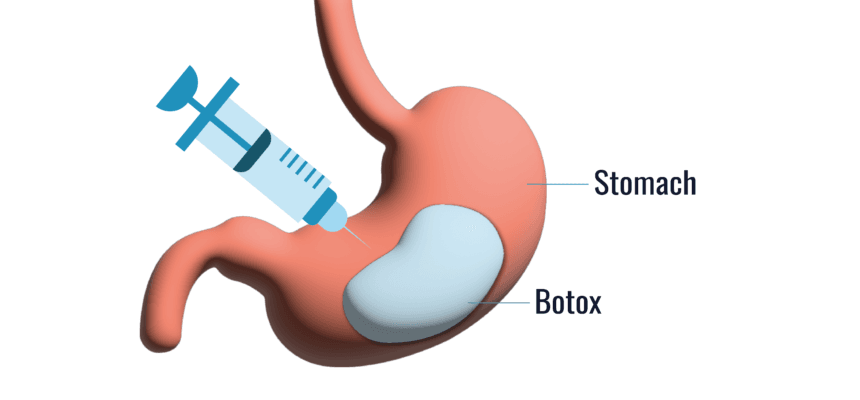

The journey toward weight management often feels like an uphill battle against one’s own biological cues. For many individuals in the UAE, traditional methods of dieting and exercise sometimes hit a plateau, leading to a search for innovative, non-surgical interventions. Gastric Botox in Abu Dhabi has emerged as a significant option for those looking to bridge the gap between lifestyle changes and clinical support. This procedure focuses on the mechanics of digestion and the signals of hunger, providing a temporary window of opportunity to recalibrate eating habits without the permanence of invasive surgery.
Understanding the Basics: The procedure involves the application of botulinum toxin to the stomach muscles to slow down the digestive process.
The Abu Dhabi Context: Residents are increasingly looking for outpatient solutions that allow them to return to their routine quickly.
Focus on Appetite: The primary goal is to address the physiological drive to eat, making it easier to adhere to a calorie-controlled plan.
The Mechanism of Gastric Botox
To understand how this treatment works, one must first understand the role of the stomach muscles in digestion. Usually, the stomach undergoes rhythmic contractions to move food into the small intestine. When the stomach is empty, it sends signals to the brain that trigger the sensation of hunger. By introducing botulinum toxin into specific areas of the gastric wall, these contractions are temporarily relaxed. This doesn’t stop digestion entirely, but it significantly slows the rate at which the stomach empties its contents.
Muscle Relaxation: The toxin works by blocking the neurotransmitters responsible for muscle movement in the stomach.
Delayed Gastric Emptying: Because food stays in the stomach longer, the physical sensation of fullness is extended.
Non-Permanent Nature: The effects are temporary, usually lasting several months, which encourages the user to build sustainable habits during this period.
Impact on the Vagus Nerve
A critical component of this procedure is its interaction with the vagus nerve. This nerve is the primary communication highway between the gut and the brain. It carries “fullness” signals that tell the hypothalamus to stop seeking food. By affecting the nerve endings within the stomach lining, the treatment helps dampen the “hunger” signals that often lead to overeating or snacking between meals.
Redefining the Sensation of Fullness
One of the greatest challenges in any weight management journey is the “empty” feeling that persists even after a balanced meal. This is often due to the rapid transit of food through the digestive tract. When the stomach empties quickly, the hormone ghrelin (often called the hunger hormone) is released sooner. By keeping the stomach distended for a longer duration, the treatment helps maintain a steady state of satiety, reducing the urge to consume large portions.
Satiety Extension: The primary benefit is feeling “satisfied” with smaller amounts of food for longer periods.
Hormonal Balance: By managing how the stomach expands and contracts, the procedure can influence the timing of hunger hormone release.
Psychological Relief: Knowing that you won’t feel ravenous an hour after eating provides a mental edge in sticking to a nutritional plan.
Breaking the Cycle of Constant Hunger
Many people struggle with “grazing” or emotional eating triggered by physical hunger cues. When the physical sensation of hunger is less intense, it becomes significantly easier to distinguish between true physiological hunger and emotional cravings. This clarity is essential for long-term behavioral change, as it allows the individual to make conscious choices rather than reacting to an urgent need for fuel.
Integrating Treatment with Lifestyle Changes
While the procedure is a powerful tool for appetite suppression, it is not a “magic wand” that works in isolation. Its true value lies in its ability to act as a catalyst for a healthier lifestyle. Because the treatment reduces the physical difficulty of dieting, it creates a “grace period” where an individual can learn new recipes, establish a regular exercise routine, and get used to smaller portion sizes without the constant distraction of a growling stomach.
Behavioral Training: Use the period of reduced appetite to practice mindful eating and slow down during meals.
Nutritional Focus: Since you are eating less, the quality of food becomes more important; focus on high-protein, nutrient-dense options.
Sustainable Activity: With the weight loss that often follows a reduction in caloric intake, physical activity becomes easier and more enjoyable.
The Importance of a Structured Diet
During the months when the treatment is active, following a structured nutritional guide is paramount. Since the stomach empties slower, heavy or overly greasy foods might feel uncomfortable. This naturally nudges the individual toward lighter, healthier options like steamed vegetables, lean proteins, and whole grains, which are easier for the relaxed stomach to process efficiently.
The Role of Modern Technology in Weight Management
The evolution of endoscopic procedures has made it possible to address weight concerns without the need for incisions or long recovery times. This shift toward minimally invasive options reflects a broader trend in global healthcare, where the focus is on maximizing patient comfort while achieving meaningful physiological results. The use of specialized equipment allows for precision, ensuring that the treatment is applied exactly where it will have the most impact on gastric motility.
Endoscopic Precision: The procedure is performed internally, meaning there are no external marks or traditional recovery periods.
Convenience: The modern lifestyle demands solutions that don’t require weeks of downtime, making this an attractive option for busy professionals.
Safety Standards: Utilizing advanced imaging ensures that the application is consistent and targeted.
Comparing Non-Surgical Options
In the landscape of weight management, there are various paths one can take. Unlike permanent surgical alterations, this method offers a middle ground. It provides more biological assistance than a simple diet but lacks the permanence of gastric bypass or sleeve gastrectomy. This makes it a popular choice for those who are not candidates for major surgery but need more than just willpower to reach their goals.
Long-Term Outlook and Habit Formation
The ultimate success of appetite suppression treatments is measured by what happens after the effects of the toxin wear off. The goal is for the individual to have shrunk their “functional” portion size. Because the body has become accustomed to smaller amounts of food over several months, the stomach’s capacity to handle large meals is often naturally reduced, and the brain’s “set point” for hunger may have shifted.
Muscle Memory: The digestive system and the brain develop a new rhythm of satiety.
Lasting Habits: The routines established during the treatment phase (like meal prepping and consistent exercise) often stick.
Holistic Health: Improved weight often leads to better sleep, higher energy levels, and improved metabolic health, creating a positive feedback loop.
Maintenance and Beyond
Once the treatment period concludes, the focus shifts entirely to maintenance. Success stories typically involve individuals who viewed the procedure as a “training wheels” phase. By the time the stomach returns to its normal motility, the person has already mastered the art of listening to their body’s true signals, leading to a more harmonious relationship with food that can last a lifetime.
Frequently Asked Questions
How does this treatment specifically affect my daily hunger?
The treatment works by slowing down the contractions of the stomach muscles. This means food stays in your stomach for a longer duration, which keeps the “full” signals active for an extended period. Most people find they no longer feel the need to snack between meals and are satisfied with much smaller portions during lunch and dinner.
Is there any downtime required after the procedure?
Since the procedure is performed endoscopically without any external incisions, most people can return to their normal daily activities very quickly. While a short period of rest is usually recommended immediately following the session, there is typically no need for an extended leave from work or social obligations.
Can I eat whatever I want while the treatment is active?
While there are no strict “forbidden” foods, the way your stomach processes food will change. Because digestion is slower, eating very heavy, fried, or high-sugar foods might lead to a feeling of over-fullness or discomfort. It is highly recommended to focus on nutrient-dense, easily digestible foods to get the best results and feel your best.
How long do the effects of the appetite suppression last?
The effects are temporary as the body naturally metabolizes the botulinum toxin over time. Generally, the suppression of appetite and the slowing of gastric emptying last for several months. This timeframe is intended to give you enough time to establish new, healthy eating patterns that you can maintain long after the treatment has worn off.