

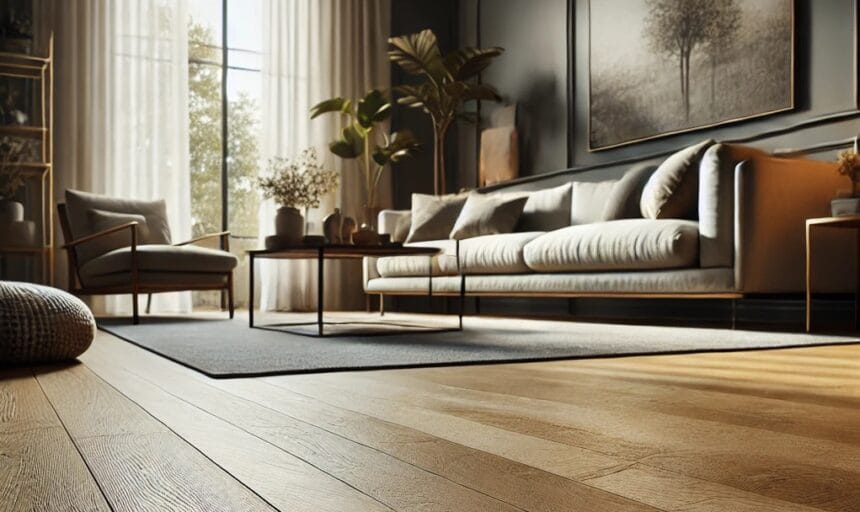

A room can feel outdated even when nothing is technically wrong. Walls are fine, furniture still works, lighting hasn’t failed—yet something feels off. In many cases, that feeling comes from the floor. It’s the one surface that carries everything else, both visually and practically.
- Why Does Flooring Change a Space So Quickly?
- Can One Upgrade Really Replace a Full Renovation?
- What Types of Flooring Can Transform a Room?
- Durable Everyday Surfaces
- Practical Wood-Look Options
- Classic Natural Finishes
- Patterned and Custom Layouts
- How Do You Choose the Right Option for Your Space?
- What Makes a Floor Look Good for Years?
- Does Installation Really Affect the Outcome?
- Is Maintenance Something to Worry About?
- Can Flooring Really Improve Property Value or Appeal?
In refurbishment projects, flooring is often changed before anything else. Not because it’s the easiest task, but because it delivers the most immediate shift in how a space looks and feels.
Why Does Flooring Change a Space So Quickly?
The floor sits across the entire room. It connects furniture, reflects light, and sets the tone without drawing obvious attention to itself. When it looks worn or dated, everything else starts to feel the same.
Installers working on residential upgrades often notice a pattern. Once a new floor is laid, even older furniture starts to feel more intentional. The room doesn’t need more—it just needs a better base.
This is why options like SPC flooring have become common in quick upgrades. They offer a clean finish and consistent look without requiring structural changes.
Can One Upgrade Really Replace a Full Renovation?
In many situations, it comes surprisingly close. While it won’t change the layout, it changes how the space is experienced. A dated room with updated flooring often feels newer without replacing anything else. This is particularly useful in projects where time or budget is limited. Property developers and landlords often rely on this approach because it delivers visible results quickly.
Rather than redesigning everything, the focus stays on what makes the biggest difference.
What Types of Flooring Can Transform a Room?
Durable Everyday Surfaces
Some areas need flooring that can handle constant use without showing wear too quickly.
SPC flooring is often chosen for spaces like hallways and kitchens. It stays stable under pressure and handles minor spills without issue. In rental properties, it’s frequently used because it balances durability with a modern appearance.
Practical Wood-Look Options
There’s still strong demand for the look of timber, but not everyone wants the maintenance that comes with it.
Laminate flooring offers a practical alternative. It recreates natural textures while staying easy to clean and maintain. In staged homes, this type of flooring is often used to create a welcoming feel without adding complexity.
Classic Natural Finishes
Some spaces benefit from a more traditional approach. Natural timber brings depth that manufactured surfaces sometimes can’t fully replicate.
Oak flooring is often chosen for this reason. It doesn’t stay untouched—it develops character over time. In many older homes, oak floors are restored rather than replaced, underscoring their long-term value.
Patterned and Custom Layouts
For those looking to add detail rather than replace a surface, patterned layouts offer a different approach.
Unfinished parquet flooring allows greater design flexibility. It can be arranged in patterns and finished on-site to suit the space. In boutique-style interiors, this approach is often used to create a more tailored look.
How Do You Choose the Right Option for Your Space?
Not every room needs the same type of flooring. The way a space is used should guide the decision.
A simple way to think about it:
- Busy areas benefit from stronger, more durable surfaces
- Living spaces often focus on warmth and appearance
- Smaller rooms can use lighter tones to feel more open
In many projects, combining different types is better than using a single material throughout. It keeps each space practical without losing consistency.
What Makes a Floor Look Good for Years?
The material plays a role, but it’s not the only factor.
A floor tends to last when:
- The base underneath is properly prepared
- The surface suits how the room is used
- Maintenance is kept simple and regular
In commercial flooring projects, preparation is often given as much attention as the installation itself. The same principle applies in residential settings. A well-prepared base keeps the floor stable and prevents issues later.
Does Installation Really Affect the Outcome?
More than expected. Even high-quality flooring can underperform if it’s installed on an uneven surface. Small imperfections underneath can lead to movement, gaps, or uneven wear over time.
Professional installers often spend a significant amount of time preparing the subfloor before laying anything down. That preparation is what allows the finished surface to sit properly and perform as it should.
Is Maintenance Something to Worry About?
Not in most cases. Modern flooring is designed to be easy to manage without complicated routines. A few simple habits usually make the difference:
- Keeping dust and grit off the surface
- Cleaning spills before they settle
- Using protective pads under furniture
In spaces that see regular use, these small steps are enough to keep the floor looking presentable without constant repairs.
Can Flooring Really Improve Property Value or Appeal?
It can, especially when the rest of the space is already in good condition. In property viewings, flooring is one of the first things people notice, even if they don’t mention it directly. A clean, well-finished surface conveys care and attention.
In competitive markets, this can influence decisions more than expected. A space that feels complete often stands out without needing additional upgrades.
Conclusion
A full renovation isn’t always necessary to change how a space feels. In many cases, the floor does more work than anything else in the room. Whether it’s the resilience of SPC flooring, the practicality of laminate flooring, the character of oak flooring, or the flexibility of unfinished parquet flooring, each option offers a different way to refresh a space. When chosen carefully and installed properly, flooring becomes more than just a surface—it brings everything together.