


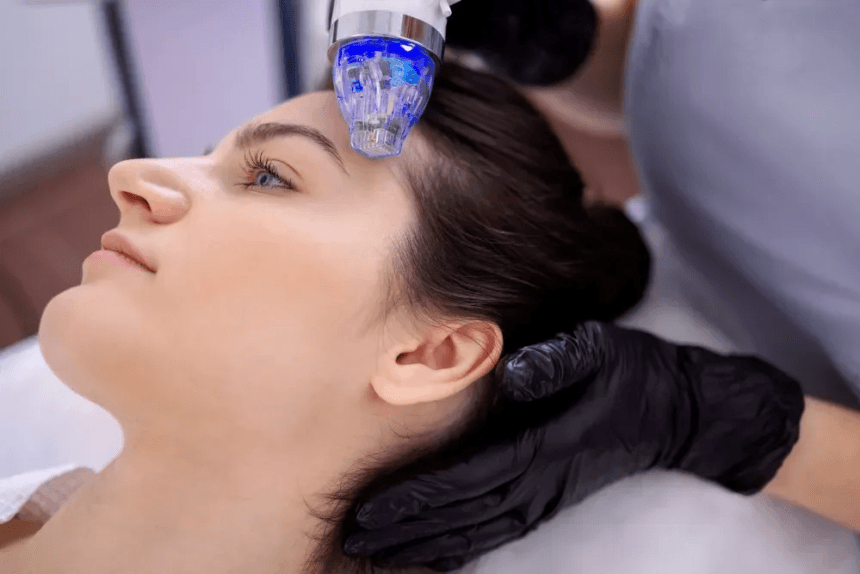
RF Micro Needling is a sophisticated skin rejuvenation treatment that combines traditional micro-needling with radiofrequency energy to stimulate collagen production. While the procedure itself is highly effective for tightening skin and improving texture, the results are heavily dependent on how you treat your skin during the recovery phase. Following the correct aftercare protocol ensures that your skin heals efficiently and that the rejuvenating effects of the treatment are maximized.
When considering RF Micro Needling in Abu Dhabi, patients often find that the environmental factors of a desert climate—such as high heat and intense UV exposure—necessitate a very specific post-treatment regimen to protect the newly sensitive skin.
Summary: The success of the treatment depends on post-care.
Key Insight: Environmental factors in the region play a significant role in recovery.
Actionable Note: Prioritize skin protection immediately following the session.
Understanding the Healing Process
To know what to avoid, it is essential to understand what is happening beneath the skin’s surface. During the procedure, tiny needles create controlled micro-channels while delivering heat into the deeper layers of the dermis. This triggers a natural healing response. For the first 24 to 48 hours, your skin is in an “active” state of repair, meaning the protective barrier is temporarily compromised.
Summary: The treatment creates micro-channels that trigger a healing response.
Key Insight: The skin barrier is temporarily open and vulnerable.
Actionable Note: Treat the skin as an “open” surface for the first day.
Avoid Direct Sun Exposure
One of the most critical things to avoid after your session is direct sunlight. Because the top layer of the skin has been perforated, it is significantly more susceptible to UV damage and hyperpigmentation. In a bright, sunny environment, even ten minutes of unprotected exposure can lead to lasting dark spots or a compromised healing result.
Summary: UV rays are the primary enemy of healing skin.
Key Insight: Post-treatment skin lacks its usual defenses against pigment changes.
Actionable Note: Stay indoors or wear wide-brimmed hats for at least one week.
Refrain from High-Intensity Exercise and Heat
Sweating and increased body temperature can interfere with the skin’s ability to settle after the procedure. It is recommended to avoid gyms, saunas, and steam rooms for at least 48 to 72 hours. Sweat contains bacteria and salts that can irritate the micro-channels, potentially leading to breakouts or prolonged redness.
Summary: Physical exertion and external heat sources should be paused.
Key Insight: Sweat can introduce irritants into the healing skin channels.
Actionable Note: Stick to light walking in climate-controlled environments.
Skip Harsh Skincare Ingredients
For several days following the treatment, your usual skincare routine needs a “reset.” You must avoid active ingredients such as Retinoids (Vitamin A), Vitamin C serums, Alpha Hydroxy Acids (AHAs), and Beta Hydroxy Acids (BHAs). These ingredients are designed to exfoliate or increase cell turnover, which is too aggressive for skin that is already working hard to repair itself.
Summary: Stop using chemical exfoliants and strong anti-aging serums.
Key Insight: Active ingredients can cause chemical burns on compromised skin.
Actionable Note: Use only a gentle, pH-balanced cleanser and a basic moisturizer.
Do Not Pick or Scrub the Skin
As the skin heals, you may notice slight flaking or tiny “micro-crusts” where the needles entered. It is vital that you do not pick, scratch, or use physical scrubs on your face. Forcing the skin to shed before it is ready can lead to scarring or uneven texture, defeating the purpose of the treatment.
Summary: Let the skin shed naturally without mechanical interference.
Key Insight: Prematurely removing skin flakes can cause permanent marks.
Actionable Note: Keep the skin hydrated to minimize the appearance of flaking.
Avoid Makeup Application
It is best to keep the skin “breathable” for at least 24 hours. Most makeup products contain oils, fragrances, and preservatives that can clog the micro-channels or cause an allergic reaction while the skin is open. If you must use makeup after the initial 24-hour window, ensure that your brushes and sponges are thoroughly sanitized.
Summary: Give your skin 24 hours of total product freedom.
Key Insight: Makeup can trap bacteria against the healing dermis.
Actionable Note: Wait until the skin feels “closed” before applying foundation.
Managing Your Routine for Better Results
Essential Hydration Steps
Hydration is your best friend during recovery. Using hyaluronic acid—a naturally occurring substance in the body—helps to pull moisture into the skin without causing irritation. Drinking plenty of water also supports the cellular turnover process from the inside out.
Summary: Use moisture-binding ingredients to soothe the area.
Key Insight: Internal hydration is as important as external application.
Actionable Note: Apply a pure hyaluronic acid serum twice daily.
Sleeping Positions
To reduce any initial swelling, try to sleep on your back with your head slightly elevated for the first two nights. This prevents your face from rubbing against pillowcases, which may harbor bacteria or cause friction.
Summary: Sleep on your back to avoid friction and swelling.
Key Insight: Elevation aids lymphatic drainage post-treatment.
Actionable Note: Use an extra pillow to keep the head raised.
Cleaning Your Environment
Since your skin barrier is sensitive, ensure that anything touching your face is clean. This includes changing your pillowcase to a fresh silk or cotton one and wiping down your mobile phone screen with an alcohol swab.
Summary: Minimize bacterial contact with healing skin.
Key Insight: Daily items like phones are major sources of skin irritation.
Actionable Note: Use a clean towel every time you pat your face dry.
Frequently Asked Questions
How soon can I use sunscreen after the treatment?
You should wait at least 24 hours before applying sunscreen, as the skin needs time for the micro-channels to close. Once that window has passed, a mineral-based sunscreen (containing Zinc Oxide or Titanium Dioxide) is highly recommended over chemical sunscreens, as it is less likely to cause a stinging sensation.
When can I return to my regular swimming routine?
It is advisable to stay out of chlorinated pools and saltwater for at least 5 to 7 days. Chlorine is a harsh chemical that can severely dry out and irritate the skin while it is in the middle of the collagen-induction process.
Is it normal for my skin to feel dry or tight?
Yes, feeling a sensation of tightness or dryness is completely normal. This is a sign that the skin is beginning the remodeling process. Using a bland, fragrance-free moisturizer frequently throughout the day will help alleviate this discomfort.
Can I get other facial treatments immediately after?
No, you should wait at least 2 to 4 weeks before undergoing other treatments like chemical peels, facials, or laser therapies. Your skin needs a full cycle to recover and produce the new collagen stimulated by the radiofrequency energy.