


Hearing that you have carotid artery stenosis can feel overwhelming at first. Many people are unfamiliar with the condition until they are diagnosed. The good news is that carotid artery stenosis is manageable, especially when caught early and treated properly.
Understanding what comes next can help you feel more in control. From additional testing to treatment plans and lifestyle changes, there are clear steps your doctor may recommend to lower your risk of stroke and protect your long term health.
What Is Carotid Artery Stenosis?
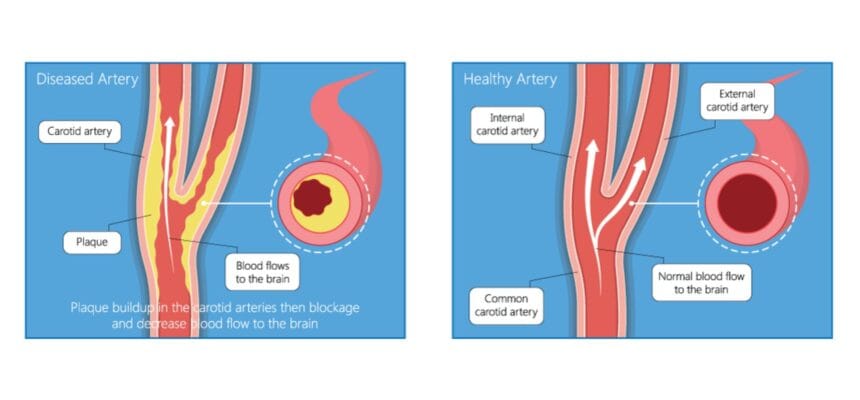
Carotid artery stenosis happens when the carotid arteries in your neck become narrowed. These arteries carry blood to the brain. Narrowing is usually caused by plaque buildup, which is made of fat, cholesterol, and other substances.
When blood flow is reduced or plaque breaks loose, it can increase the risk of a stroke or transient ischemic attack, often called a mini stroke.
What Happens Right After Diagnosis?
After a carotid artery stenosis diagnosis, your doctor will usually want to learn how severe the blockage is and whether you have symptoms.
Common next steps may include:
Imaging Tests
You may need tests such as:
- Carotid ultrasound
- CT angiography
- MR angiography
- Conventional angiogram in some cases
These tests help measure how much narrowing is present.
Symptom Review
Your doctor may ask if you have experienced:
- Sudden weakness
- Numbness on one side
- Trouble speaking
- Vision loss
- Dizziness
Even brief symptoms matter because they may signal reduced blood flow to the brain.
Treatment Options You May Be Offered
Treatment depends on the severity of the blockage, your age, overall health, and whether symptoms are present.
Medication Management
Many patients begin with medications to lower stroke risk. These may include:
- Blood thinners or antiplatelet medicine
- Cholesterol lowering drugs
- Blood pressure medication
- Diabetes management medication if needed
Taking medications consistently is a major part of treatment.
Lifestyle Changes
Doctors often recommend healthy habits such as:
- Quitting smoking
- Eating a heart healthy diet
- Exercising regularly
- Maintaining a healthy weight
- Reducing stress
- Managing blood pressure and cholesterol
These changes can slow plaque buildup and improve circulation.
Procedures or Surgery
If the narrowing is significant, especially if symptoms are present, your doctor may discuss procedures such as:
- Carotid endarterectomy, surgery to remove plaque
- Carotid artery stenting, placing a stent to keep the artery open
Your specialist will explain the risks and benefits based on your case.
How Serious Is Carotid Artery Stenosis?
The condition can be serious because it raises stroke risk. However, many people live well with it for years through monitoring and treatment. Early diagnosis often gives patients more options and better outcomes.
The key is following your treatment plan and keeping regular appointments.
What Follow Up Care Looks Like
After diagnosis, expect routine follow up visits. Your doctor may repeat ultrasound scans over time to monitor changes in the artery.
They may also track:
- Blood pressure
- Cholesterol levels
- Blood sugar
- Medication response
- New symptoms
Staying consistent with follow up care helps catch problems early.
Questions to Ask Your Doctor
It helps to be prepared at appointments. Consider asking:
- How severe is my blockage?
- What is my stroke risk?
- Do I need surgery or medication only?
- What lifestyle changes matter most for me?
- How often do I need monitoring?
Clear answers can reduce anxiety and help you make informed decisions.
Conclusion
A carotid artery stenosis diagnosis is serious, but it is also treatable. Many patients successfully manage the condition with medication, lifestyle improvements, and when needed, surgical treatment.
The most important step now is partnership with your healthcare team. Ask questions, follow the plan, and stay proactive. Taking action today can help protect your brain and future health.
Frequently Asked Questions
1. Can carotid artery stenosis go away on its own?
No, plaque buildup usually does not disappear on its own. Treatment focuses on slowing progression and reducing stroke risk.
2. Is surgery always needed for carotid artery stenosis?
No. Many people are treated with medication and lifestyle changes. Surgery is usually considered for more severe blockage or symptoms.
3. What are warning signs of a stroke?
Sudden weakness, facial drooping, speech trouble, confusion, or vision loss need emergency medical attention immediately.
4. Can I exercise after diagnosis?
In many cases, yes. Your doctor can recommend a safe exercise plan based on your health and symptoms.
5. How often should carotid stenosis be checked?
It depends on severity and treatment plan. Some people need regular imaging every few months or yearly.