


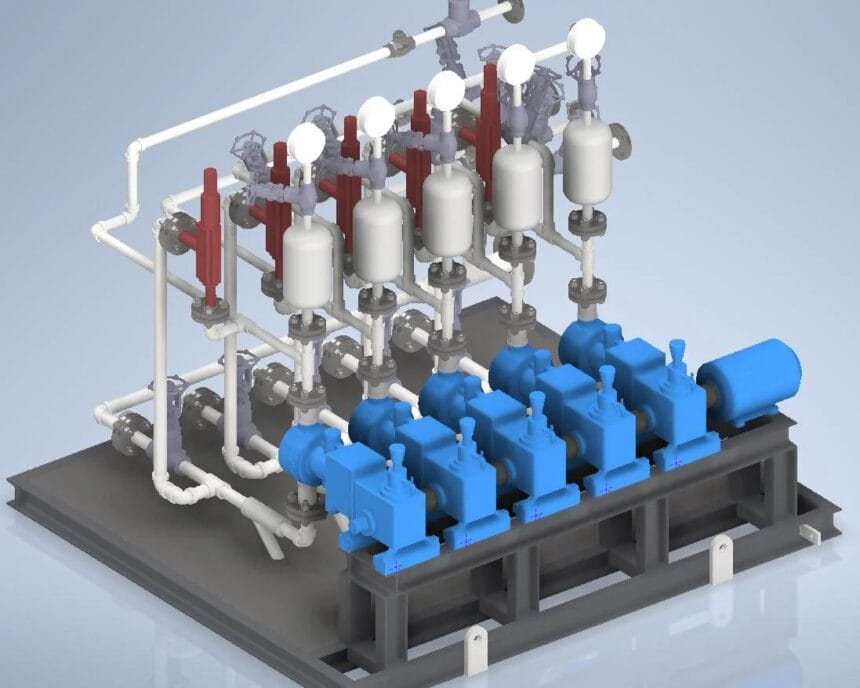

Accuracy in chemical dosing plays a critical role in maintaining stable industrial operations, particularly in sectors where fluid control directly affects performance and safety. A well-functioning system ensures precise chemical injection, supporting system efficiency and consistency.
However, real-world field conditions often introduce variables that compromise this accuracy. From environmental fluctuations to operational inconsistencies, several factors contribute to performance breakdowns.
Understanding these challenges is essential for maintaining reliability in demanding environments. This article examines the underlying reasons why dosing accuracy declines in field use and highlights the key elements that influence system behaviour in practical applications.
Understanding Accuracy in Chemical Dosing Systems
Accuracy in chemical dosing refers to the ability of a system to deliver a precise volume of chemicals at the required rate and pressure. In controlled environments, achieving this level of precision is relatively straightforward. However, field conditions introduce complexity that can disrupt consistency.
What Influence Dosing Accuracy:
- Flow rate stability
- Pressure balance within the system
- Pump efficiency and responsiveness
- Control system precision
Even minor deviations in these factors can result in inaccurate dosing, leading to operational inefficiencies. Maintaining consistency requires a balance between system design and real-time adaptability.
Design Limitations That Affect Accuracy
The design of a dosing system directly impacts its ability to maintain precision over time. While systems may perform well under ideal conditions, certain design limitations become apparent in field environments.
System calibration issues
Calibration is essential for ensuring accurate dosing. However, systems that are not designed for easy recalibration may experience gradual drift in performance. Over time, this leads to discrepancies between expected and actual output.
Component selection mismatch
Using components that are not suited to the operating environment can reduce system effectiveness. For instance, pumps and valves must be compatible with both the chemical properties and the pressure conditions. Any mismatch increases the likelihood of inconsistent dosing.
Pressure and flow inconsistencies
Designs that fail to account for pressure fluctuations often struggle to maintain stable flow rates. This instability directly affects dosing accuracy, especially in systems exposed to varying operational demands.
Operational Factors in Field Conditions
Even a well-designed system can lose accuracy due to operational challenges encountered in real-world environments. Field conditions rarely remain constant, and systems must adapt to ongoing changes.
Environmental variations
Temperature changes, humidity, and external pressure conditions can influence system performance. For example, temperature fluctuations can alter fluid properties, affecting flow rates and dosing precision.
Human handling and setup
Improper installation or incorrect system setup can introduce errors from the outset. Inconsistent handling during operation further compounds these issues, leading to unpredictable performance.
Maintenance gaps
Lack of regular maintenance is one of the most common causes of accuracy breakdown. Over time, wear and tear affect system components, reducing their efficiency and reliability.
In large-scale facilities managed by oil and gas equipment manufacturing companies, these operational inconsistencies often become more pronounced due to complex system interactions.
Fluid Characteristics and Their Impact
The properties of the chemicals being injected play a significant role in determining dosing accuracy. Variations in fluid behaviour can create challenges that are difficult to manage without proper system adaptation.
Key Factors Include:
- Viscosity: Thicker fluids require more energy to move, which can affect pump performance.
- Chemical compatibility: Incompatible materials can degrade system components, leading to inefficiencies.
- Temperature sensitivity: Changes in temperature can alter fluid density and flow behaviour.
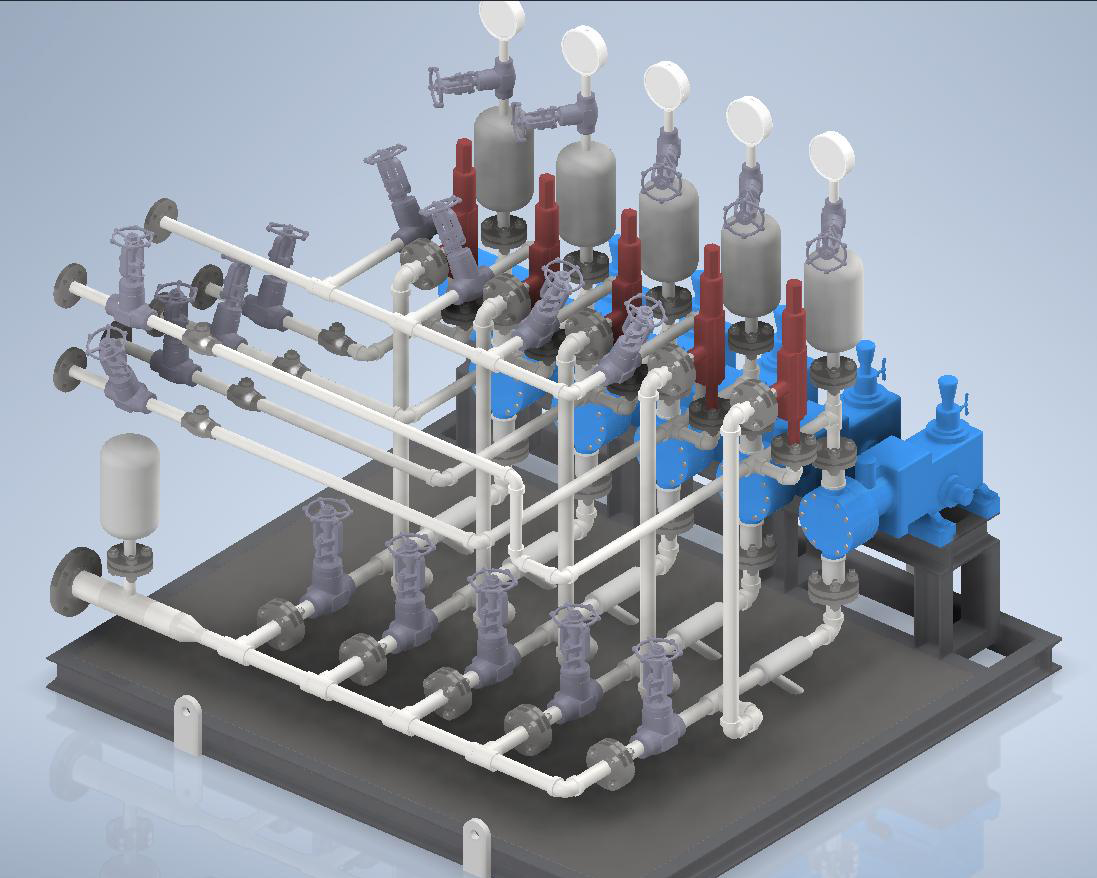
These challenges often require adjustments within a chemical dosing skid to maintain consistent performance under varying fluid conditions.
Installation and Integration Challenges
Proper installation is critical for ensuring that a dosing system performs as intended. However, field installations often present challenges that are not encountered in controlled environments.
Common Issues include:
- Misalignment with existing pipeline systems
- Inadequate support structures
- Improper connection of components
Integration with broader systems also plays a role. If the dosing system is not synchronised with other operational elements, inconsistencies can arise. These integration challenges can significantly impact the performance of a chemical dosing skid in field use.
Additionally, coordination across systems handled by oil and gas equipment manufacturing companies requires precise alignment to avoid disruption in dosing accuracy.
Monitoring and Control Limitations
Accurate dosing relies heavily on effective monitoring and control systems. Without real-time feedback, it becomes difficult to detect and correct deviations.
Key Limitations Include:
- Absence of continuous monitoring
- Delayed response to system changes
- Inadequate control mechanisms
Modern systems aim to address these issues through automation and advanced control technologies. However, in many field applications, such systems are either limited or not fully utilised, resulting in reduced accuracy.
This is particularly critical when a chemical dosing skid operates under fluctuating process conditions without responsive control systems.
Strategies to Maintain Accuracy
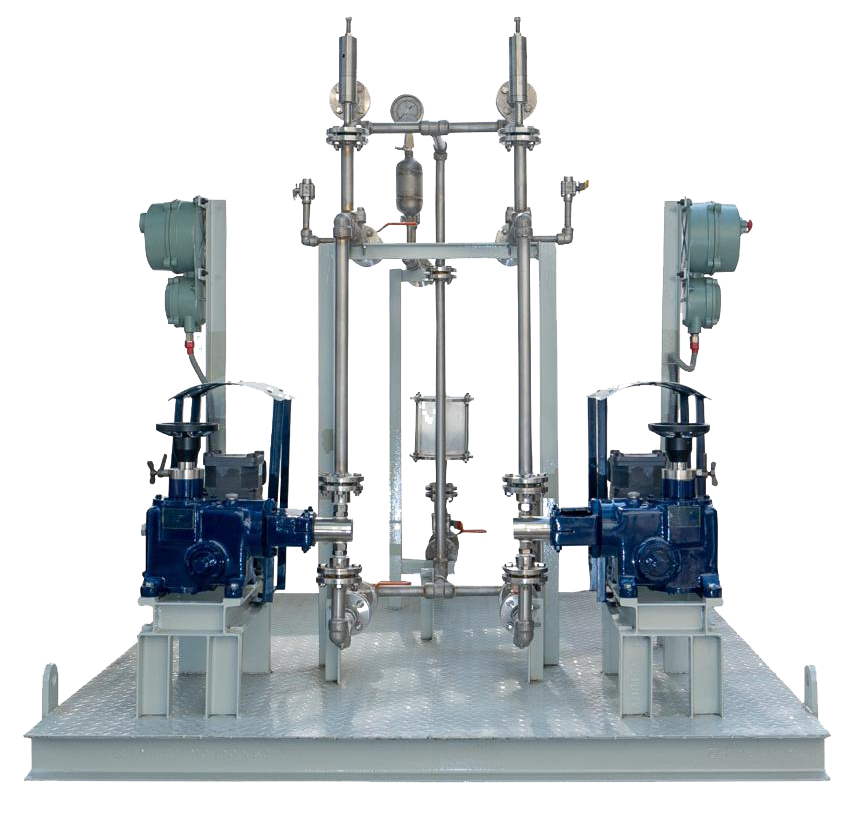
Maintaining accuracy in field conditions requires a proactive approach that addresses both design and operational factors. The following strategies can help improve system performance:
- System optimisation: Ensuring that all components are correctly matched to the operating environment is essential.
- Regular calibration: Routine calibration helps maintain consistency over time.
- Proper component selection: Choosing high-quality components reduces the risk of failure.
- Maintenance planning: A structured maintenance schedule prevents performance degradation.
- Improved monitoring: Reliable monitoring systems help detect issues early.
In operations managed by oil and gas equipment manufacturing companies, these strategies play a key role in maintaining long-term system stability.
Conclusion
Maintaining dosing accuracy in field conditions requires careful attention to system design, operation, and maintenance. Variations in environment, fluid properties, and installation practices can all contribute to performance breakdowns if not properly managed. Addressing these challenges involves a combination of robust engineering and consistent operational practices.
Reliable systems are essential for achieving stable and efficient outcomes in demanding industrial environments. NND OIL & GAS supports this approach by delivering systems designed to perform consistently under real-world conditions.