

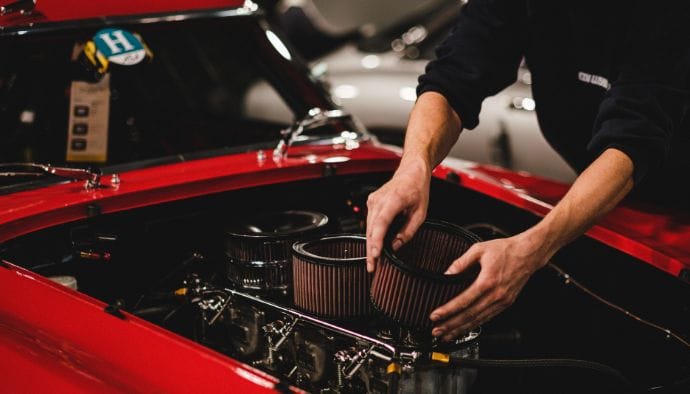

Your car’s engine is like its heart, and engine oil is what keeps everything running smoothly. When oil runs low or completely dries up, serious damage can happen very quickly. Many car owners ignore early warning signs, which later leads to costly repairs. In this guide, you’ll learn how to tell if your engine is damaged from no oil, what causes it, and what steps you should take next.
- Why Engine Oil Is So Important
- Common Signs of Engine Damage from No Oil
- 1. Loud Knocking or Ticking Noise
- 2. Engine Overheating
- 3. Burning Smell
- 4. Engine Seizing (Car Stops Suddenly)
- 5. Low Oil Warning Light
- What Causes Oil Loss in an Engine?
- What Happens Inside the Engine Without Oil?
- Can a Damaged Engine Be Fixed?
- What Should You Do If You Suspect Engine Damage?
- How to Prevent Engine Damage from No Oil
- Final Thoughts
Why Engine Oil Is So Important
Engine oil does more than just “lubricate.” It reduces friction, cools engine parts, and prevents wear and tear. Without oil, metal parts start rubbing directly against each other. This creates heat, friction, and eventually, damage.
Even driving for a few minutes without oil can cause severe problems. That’s why regular oil checks are very important for every vehicle owner.
Common Signs of Engine Damage from No Oil
If your car has been running low on oil, here are some clear signs that your engine might already be damaged.
1. Loud Knocking or Ticking Noise
One of the first signs is unusual engine noise. You may hear knocking, ticking, or grinding sounds. This happens because engine parts are not properly lubricated and start hitting each other.
If the sound gets louder with acceleration, it could mean serious internal damage.
2. Engine Overheating
Oil helps control engine temperature. Without it, your engine heats up quickly. If you notice the temperature gauge rising or steam coming from under the hood, it’s a warning sign.
Overheating can damage pistons, cylinders, and other important parts.
3. Burning Smell
A strong burning smell may come from the engine area. This could be due to overheating parts or leftover oil burning off hot surfaces.
Ignoring this smell can lead to bigger problems.
4. Engine Seizing (Car Stops Suddenly)
In extreme cases, the engine may completely stop working. This is called engine seizure. It happens when parts get so hot and damaged that they lock up.
If your car suddenly shuts off and won’t restart, this could be the reason.
5. Low Oil Warning Light
Modern cars have dashboard warning lights. If you see the oil light, don’t ignore it. It means your oil level is dangerously low or pressure is dropping.
Driving further after this warning can damage your engine quickly.
What Causes Oil Loss in an Engine?
Understanding the cause can help you prevent future damage.
- Oil leaks from seals or gaskets
- Not changing oil regularly
- Using low-quality oil
- Worn engine parts that burn oil
- Ignoring maintenance schedules
Even a small leak, if ignored, can lead to complete oil loss over time.
What Happens Inside the Engine Without Oil?
When oil is missing, friction increases between moving parts. This leads to:
- Rapid wear of engine components
- Overheating due to lack of cooling
- Metal parts melting or warping
- Complete engine failure
In simple words, the engine starts destroying itself from the inside.
Can a Damaged Engine Be Fixed?
It depends on how severe the damage is.
If the issue is caught early, a mechanic might fix specific parts like bearings or pistons. However, if the engine is badly damaged or seized, you may need a Car engine replacement.
This is more expensive, but sometimes the only solution if the engine cannot be repaired.
What Should You Do If You Suspect Engine Damage?
If you notice any of the signs mentioned above, act quickly.
First, stop driving immediately. Continuing to drive can make the damage worse. Next, check your oil level using the dipstick. If it’s empty or very low, do not restart the engine.
Call a professional mechanic or take your car to a trusted auto care shop adelaide to get a proper inspection. A trained expert can diagnose the issue and suggest the best solution.
How to Prevent Engine Damage from No Oil
Prevention is always better than repair. Here are simple steps you can follow:
- Check oil levels regularly (at least once a month)
- Change oil as per your car’s schedule
- Fix oil leaks immediately
- Use the right type of engine oil
- Pay attention to warning lights
These small habits can save you from expensive repairs.
Final Thoughts
Engine damage from no oil is one of the most serious problems a car can face, but it is also one of the easiest to prevent. By paying attention to warning signs like unusual noises, overheating, or dashboard alerts, you can act early and avoid major issues.
Regular maintenance and simple checks go a long way in keeping your engine healthy. If you ever feel something is wrong, don’t delay—getting professional help at the right time can save both your engine and your money.