

Thin or uneven eyebrows can affect overall facial balance and confidence. Many people experience sparse brows because of overplucking, aging, genetics, medical conditions, or scarring. While makeup products may temporarily improve the appearance of eyebrows, they often require daily maintenance and may not create fully natural results. Modern eyebrow restoration procedures now provide a long-term option for individuals who want fuller and more symmetrical brows. An eyebrow hair transplant uses healthy hair follicles to restore natural eyebrow growth and improve brow shape. This treatment has become increasingly popular among men and women seeking a permanent solution for uneven brows. With advanced techniques and customized planning, patients can achieve softer, fuller, and more natural-looking eyebrows that complement their facial features.
Common Causes of Thin and Uneven Eyebrows
Several factors can contribute to thin or patchy eyebrows. One of the most common causes is excessive tweezing or waxing over time, which can permanently damage hair follicles and prevent healthy regrowth. Genetics also play an important role, as some individuals naturally have lighter or sparse brows. Aging may reduce hair density, making eyebrows appear thinner and less defined. Certain medical conditions, hormonal changes, nutritional deficiencies, or skin conditions can also impact eyebrow growth. In some cases, scars from injuries or cosmetic procedures may leave uneven areas in the brows. Stress and lifestyle habits may further affect hair growth patterns. Understanding the underlying cause is important when choosing the best thin eyebrow treatment. Modern eyebrow restoration procedures are designed to address these concerns while creating balanced and natural-looking results that fit the patient’s facial structure.
How the Eyebrow Hair Transplant Procedure Works
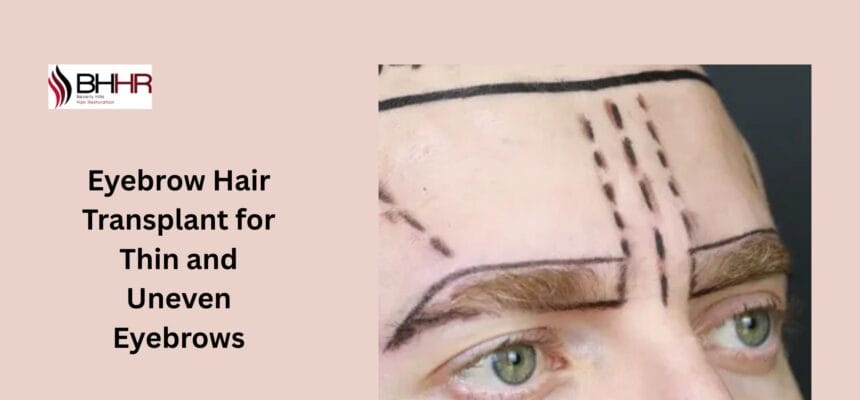
An eyebrow hair transplant is a detailed procedure that involves transferring healthy hair follicles from a donor area, usually the back of the scalp, into the eyebrow region. During the consultation process, the specialist carefully designs the ideal eyebrow shape based on the patient’s facial features, goals, and natural brow pattern. Individual hair follicles are then extracted and implanted with precision to create a soft and realistic appearance. The direction, angle, and placement of each graft are essential for achieving natural eyebrow restoration. Because eyebrow hairs grow differently from scalp hair, experienced technique and artistic planning are important parts of the procedure. Most patients experience minimal discomfort and can return to normal activities shortly after treatment. Over time, the transplanted hairs begin to grow naturally, helping patients achieve fuller eyebrows and improved symmetry without relying on makeup products every day.
Benefits of Choosing a Natural Brow Restoration Method
One of the biggest advantages of eyebrow restoration is the ability to achieve long-lasting and natural-looking results. Unlike cosmetic pencils, powders, or temporary tattooing methods, transplanted eyebrow hairs continue to grow naturally and blend with existing brow hair. This allows patients to shape, trim, and maintain their eyebrows according to their preferences. Another major benefit is improved confidence. Fuller and more balanced brows can enhance facial harmony and create a younger appearance. An eyebrow hair transplant can also help individuals who have struggled with permanent hair loss caused by scarring or excessive grooming. Because the procedure is customized for every patient, the final look can be tailored to different eyebrow styles and densities. Many people appreciate the convenience of waking up with naturally fuller brows every day without the need for extensive cosmetic products or time-consuming beauty routines.
Recovery and Aftercare Tips for Better Results
Recovery after an eyebrow restoration procedure is usually straightforward when patients follow proper aftercare instructions. Mild redness, swelling, or small scabs may appear in the treated area during the first few days, but these effects typically improve quickly. Patients are generally advised to avoid rubbing or touching the eyebrows while the grafts heal. Keeping the area clean and protected helps support healthy healing and graft survival. Strenuous exercise, excessive sweating, and direct sun exposure may need to be limited temporarily during recovery. Some transplanted hairs may shed within the first few weeks, which is a normal part of the growth cycle before new hair begins to grow. Full results often become more noticeable over several months as the follicles continue to develop. Regular follow-up visits and proper grooming can help maintain fuller eyebrows and long-term satisfaction with the results.
Who Is a Good Candidate for This Procedure
Individuals with thin, patchy, or uneven brows are often good candidates for eyebrow restoration procedures. People who have experienced eyebrow hair loss from overplucking, genetics, burns, scars, or medical conditions may benefit from this treatment. Candidates should generally have enough healthy donor hair available for transplantation and realistic expectations about the process and results. Men and women looking for a permanent solution instead of temporary makeup options often consider this procedure. Patients seeking natural eyebrow restoration should also be in good overall health and willing to follow aftercare guidelines during recovery. A professional consultation helps determine the best treatment approach based on facial features, brow goals, and hair characteristics. Since every patient has unique needs, personalized planning is important for achieving balanced, natural-looking brows that enhance the face while maintaining a soft and realistic appearance.
Why Patients Choose BHHR in Palm Desert
Many patients trust BHHR in Palm Desert for advanced eyebrow restoration solutions because of the clinic’s personalized approach and focus on natural-looking outcomes. The team understands that eyebrow design plays a major role in facial appearance, which is why each treatment plan is customized according to the patient’s goals and facial structure. BHHR in palm desert uses modern techniques and careful graft placement to help create soft, symmetrical, and realistic brows. Patients appreciate the professional guidance provided throughout the consultation, procedure, and recovery process. The clinic’s experience in hair restoration allows individuals to feel more confident about their treatment journey and expected results. Whether patients are dealing with uneven brows, thinning hair, or past overplucking damage, BHHR in Palm Desert offers customized care designed to restore fuller and more natural eyebrows. Readers interested in learning more can explore available treatment options or schedule a consultation through the clinic’s website.
Conclusion
Thin and uneven eyebrows can impact both appearance and self-confidence, but modern restoration procedures offer a reliable and long-lasting solution. An eyebrow hair transplant helps restore natural growth, improve brow symmetry, and create fuller eyebrows that complement the face. With customized treatment planning and advanced techniques, patients can achieve results that look soft, balanced, and natural. Understanding the causes of eyebrow thinning, the treatment process, and recovery expectations can help individuals make informed decisions about their options. For those seeking natural eyebrow restoration, choosing an experienced clinic is an important step toward achieving successful results. BHHR in Palm Desert provides personalized eyebrow restoration treatments designed to help patients enhance their appearance and regain confidence with natural-looking brows.