
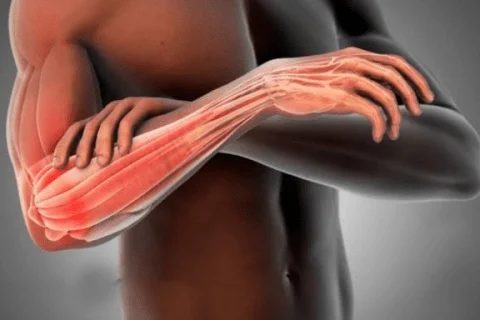

This condition can make simple activities like lifting, gripping, or even shaking hands painful. Many people ignore early symptoms, which can make the problem worse over time.
- What Is Tennis Elbow?
- Common Causes of Tennis Elbow
- Symptoms You Should Not Ignore
- Why Early Diagnosis Matters
- Imaging for Tennis Elbow
- Non-Surgical Tennis Elbow Treatment Options
- Physiotherapy for Tennis Elbow
- Advanced Non-Surgical Treatments
- Surgical Treatment for Tennis Elbow
- Recovery Time and What to Expect
- Tips to Prevent Tennis Elbow
- When Should You See a Doctor?
- Choosing the Right Treatment in Dubai
- Conclusion
If you are searching for tennis elbow treatment dubai, it is important to understand the causes, symptoms, diagnosis methods, and available treatment options. Early care can help reduce pain and speed up recovery.
What Is Tennis Elbow?
Tennis elbow is also known as lateral epicondylitis. It happens when the tendons in your elbow become damaged due to overuse.
These tendons connect your forearm muscles to the elbow. When they are used too much, small tears can develop. Over time, this leads to pain and weakness.
Despite its name, you do not have to play tennis to develop this condition. Many people get it from everyday activities.
Common Causes of Tennis Elbow
Tennis elbow is mainly caused by repetitive motion. Some common causes include:
- Repeated lifting of heavy objects
- Frequent use of tools like screwdrivers or hammers
- Typing or using a mouse for long hours
- Sports activities like tennis, badminton, or squash
- Painting, plumbing, or carpentry work
Even small repeated movements can strain the tendons over time.
Symptoms You Should Not Ignore
The symptoms of tennis elbow usually develop slowly. They may start mild but can become severe if untreated.
Common signs include:
- Pain on the outer part of the elbow
- Weak grip strength
- Pain when lifting objects
- Discomfort while twisting the wrist
- Pain that spreads down the forearm
If these symptoms last for more than a few weeks, it is important to seek medical advice.
Why Early Diagnosis Matters
Early diagnosis can prevent the condition from becoming worse. If ignored, tennis elbow can become chronic and harder to treat.
Doctors usually begin with a physical examination. They may ask about your daily activities and check for pain during certain movements.
In many cases, imaging tests are also used to confirm the diagnosis and rule out other conditions.
Imaging for Tennis Elbow
Imaging plays an important role in understanding the severity of the condition. It helps doctors see what is happening inside the elbow.
1. X-rays
X-rays are often the first imaging test. They do not show soft tissues like tendons, but they help rule out other problems such as fractures or arthritis.
2. Ultrasound
Ultrasound is a simple and quick test. It can show tendon damage and inflammation in real time. It is also helpful in guiding certain treatments like injections.
3. MRI (Magnetic Resonance Imaging)
MRI provides detailed images of soft tissues. It helps in identifying:
- Tendon tears
- Inflammation
- Degeneration
MRI is usually recommended in more severe or long-lasting cases.
Non-Surgical Tennis Elbow Treatment Options
Most cases of tennis elbow can be treated without surgery. These treatments focus on reducing pain and helping the tendon heal.
Rest and Activity Modification
The first step is to rest the affected arm. Avoid activities that cause pain. This helps prevent further damage.
Ice Therapy
Applying ice to the elbow for 15–20 minutes several times a day can reduce pain and swelling.
Medications
Doctors may recommend:
- Pain relievers
- Anti-inflammatory drugs
These help manage symptoms but do not cure the condition.
Bracing
A special brace or strap can reduce pressure on the tendon. It supports the forearm muscles and helps relieve pain.
Physiotherapy for Tennis Elbow
Physiotherapy is one of the most effective treatments. It helps strengthen the muscles and improve flexibility.
Common exercises include:
- Stretching exercises for the forearm
- Strengthening exercises for wrist muscles
- Grip improvement exercises
A trained physiotherapist will guide you through the right exercises based on your condition.
Advanced Non-Surgical Treatments
If basic treatments do not work, doctors may suggest advanced options.
Corticosteroid Injections
These injections help reduce inflammation and pain. They provide quick relief but are usually not recommended for long-term use.
Platelet-Rich Plasma (PRP) Therapy
PRP therapy uses your own blood to promote healing. The blood is processed to concentrate platelets and then injected into the affected area.
This treatment can help repair damaged tendons over time.
Shockwave Therapy
Shockwave therapy uses sound waves to stimulate healing in the tendon. It is non-invasive and can improve blood flow to the area.
Surgical Treatment for Tennis Elbow
Surgery is usually considered only when other treatments fail. This is rare and needed in severe cases.
During surgery, the damaged part of the tendon is removed or repaired. The goal is to reduce pain and restore function.
Recovery after surgery may take a few months and often includes physiotherapy.
Recovery Time and What to Expect
Recovery time depends on the severity of the condition and the treatment used.
- Mild cases: 6 to 8 weeks
- Moderate cases: 2 to 3 months
- Severe cases: 6 months or more
Following your doctor’s advice and doing regular exercises can speed up recovery.
Tips to Prevent Tennis Elbow
Preventing tennis elbow is possible with simple lifestyle changes.
- Avoid repetitive strain on your arm
- Use proper techniques during sports or work
- Take regular breaks during activities
- Strengthen your forearm muscles
- Use ergonomic tools and equipment
Small changes can make a big difference in preventing future problems.
When Should You See a Doctor?
You should consult a doctor if:
- Pain lasts more than a few weeks
- Symptoms are getting worse
- You have difficulty using your arm
- Home treatments are not helping
Early treatment can prevent complications and help you recover faster.
Choosing the Right Treatment in Dubai
Dubai offers advanced medical care for tennis elbow. Many clinics provide modern diagnostic tools and treatment options.
When choosing a clinic, consider:
- Experience of the doctor
- Availability of imaging services
- Range of treatment options
- Personalized care approach
A proper evaluation ensures you receive the most suitable treatment for your condition.
Conclusion
Tennis elbow is a common but manageable condition. With the right care, most people recover without surgery. Understanding the symptoms and seeking early treatment can help prevent long-term problems.
If you are considering tennis elbow treatment dubai, it is important to choose a specialist who can provide accurate diagnosis and personalized care.
For expert evaluation and advanced treatment options, you can consult Dr Marouane Bouloudhnine, who offers comprehensive care for elbow and joint conditions using modern techniques.