
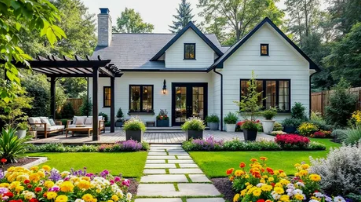

Backyards have shifted from being the forgotten part of the property to one of the most invested-in spaces in the home. In 2026, homeowners are spending more time, thought, and budget on their outdoor areas than at any point in the past decade. And the designs reflect that. Modern backyard designs are not about cramming in as many features as possible. They are about creating spaces that feel intentional, function well, and hold up over time.
If your backyard is still just a stretch of grass with a fence around it, here is what homeowners are doing differently right now and why it is worth paying attention to.
The Shift Toward Outdoor Rooms
The biggest change in modern backyard designs is the idea of treating the backyard like a series of rooms rather than one open area. Just like the inside of a home has a kitchen, a living room, and a dining area, the backyard can have a cooking zone, a lounge zone, a dining zone, and even a garden zone.
This zoned approach gives the backyard structure. It makes it easier to furnish, easier to use, and more comfortable to spend time in. Instead of dragging chairs around trying to find the right spot, each area is set up for a specific purpose with the right furniture, lighting, and shade already in place.
Low walls, planters, changes in paving material, and shifts in elevation are all ways to define zones without building actual walls. The result is a backyard that feels organized without feeling closed in.
Materials & Hardscaping
Hardscaping is the backbone of modern backyard designs. The paths, patios, retaining walls, and borders set the structure that everything else builds around.
Concrete pavers in large format sizes are one of the most popular choices right now. They create a clean, modern look with fewer grout lines and work well for patios, walkways, and pool decks. Natural stone, including limestone and bluestone, is used in backyards where the homeowner wants something with more texture and character.
Gravel is making a comeback in a big way. Decomposed granite and pea gravel are being used for paths, under dining tables, and around fire pits. Gravel drains well, is affordable, and gives the backyard a relaxed feel that poured concrete does not.
Wood and composite decking are still used for raised areas and transitions between the house and the yard. Companies like Blum Custom Builders, which offer deck construction and outdoor living services, are seeing more requests for multi-material backyards where decking, pavers, and gravel are used together in different zones.
Retaining Walls & Grade Changes
For backyards with slopes, retaining walls create flat, usable areas at different levels. A terraced backyard with a patio on one level and a garden on another makes use of the full lot instead of leaving the sloped section as wasted space. Retaining walls can be built from concrete block, natural stone, or timber depending on the style of the home and the height of the wall.
Planting for Low Maintenance
Modern backyard designs in 2026 favor plantings that take care of themselves. Native plants, ornamental grasses, and ground covers are replacing the high-maintenance flower beds and manicured hedges that used to dominate residential yards.
The goal is to create a yard that looks good year-round without needing weekly attention. Grouping plants by their water and sun needs, using drip irrigation instead of sprinklers, and mulching beds to retain moisture all reduce the time and money spent on upkeep.
Edible gardens are also showing up in more modern backyards. Raised beds for vegetables and herbs, fruit trees along the fence line, and berry bushes used as hedging all add function to the yard without taking away from the design.
Fire Features & Gathering Spaces
A fire pit or a fireplace has become a standard part of modern backyard designs. It gives the backyard a gathering point, extends the usable season into cooler months, and creates a natural focal point for the space.
Built-in fire pits with surrounding seating walls are the most popular format. They keep the area organized and eliminate the need for standalone chairs and a portable fire ring. Gas-fueled fire pits are easier to maintain than wood-burning ones and do not produce smoke, which is a consideration in neighborhoods where houses are close together.
Outdoor fireplaces are another option for homeowners who want a more substantial feature. They work well as a backdrop for a seating area and can double as a visual divider between zones.
Lighting the Space
Good lighting makes the backyard usable after sunset and adds atmosphere that changes the feel of the space entirely. Low-voltage LED systems are the standard for modern backyard designs. Path lights, step lights, uplighting on trees, and string lights over dining areas all work together to create a layered effect.
The best approach is to light for function first and mood second. Make sure paths, steps, and cooking areas are well-lit for safety, then add softer lighting in seating and lounge zones for comfort.
Getting Started With Modern Backyard Designs
A well-designed backyard adds living space to the home and increases the property’s value. The key is to plan the layout around how you actually spend time outdoors and choose materials and plantings that work with your climate and maintenance preferences.
Start with a clear idea of what you want each part of the backyard to do, and work with a builder or designer who can turn that vision into a plan that fits your property and your budget. The best modern backyard designs are the ones that still look and function well five and ten years after they are built.