

Clean spaces are rarely as clean as they appear. A wiped countertop can still harbor bacteria. Tile grout, upholstery seams, and high-touch surfaces quietly collect grime and microbes over time. That gap between “looks clean” and “is actually sanitary” is where steam cleaning earns its reputation. By applying pressurized vapor at high temperatures, steam cleaning breaks down grease, lifts embedded dirt, and neutralizes many microorganisms in one step. It is efficient, surprisingly simple, and far more thorough than most conventional cleaning methods. At GVMS 1 Steam Cleaning, this technology forms the backbone of how we approach sanitation with a professional steam cleaner for sanitizing.
Heat Does What Chemicals Often Can’t
Anyone who has cleaned a kitchen or bathroom knows the routine: spray, scrub, wipe, repeat. Chemical cleaners help, but they rarely solve the whole problem. They leave residue behind, and sometimes the smell alone tells you how aggressive they are.
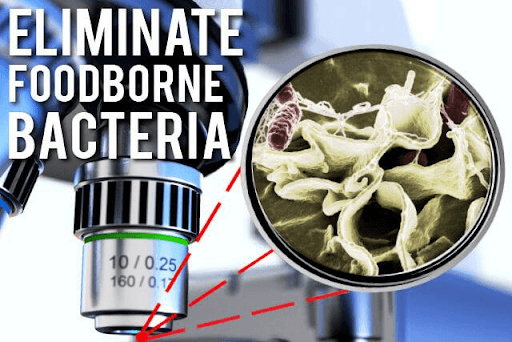
Steam works differently. Instead of layering chemicals onto a surface, heat does the work. High-temperature vapor penetrates pores in tile, fabric, and metal surfaces. Grease loosens. Dirt lifts. Bacteria struggle to survive under sustained heat.
A steam cleaner for sanitizing may clear both visible dirt and germs that are too small to see. That’s one reason many homes and businesses are gradually shifting toward steam-based sanitation.
Real Sanitizing Power, Not Just Surface Cleaning
Plenty of products claim to disinfect. But most of them depend on surface contact alone. Miss a corner or wipe too quickly, and the job isn’t finished.
Steam behaves differently. The vapor moves through crevices and tight spaces where cloths or wipes can’t reach. Door handles, faucet bases, grout lines, upholstery seams, all those awkward places that quietly accumulate bacteria.
At GVMS 1 Steam Cleaning, we use tools that are made to provide us twith he same amount of heat and pressure every time. Using a steam cleaner for cleaning the right way can greatly lower the number of bacteria in kitchens, workstations, bathrooms, and other shared spaces.
It’s a deeper form of cleaning. Less guesswork is involved.
One Tool, Many Surfaces
Another reason steam cleaning has become so widely adopted is its versatility. The same equipment used to sanitize a bathroom tile wall can also handle upholstery, kitchen equipment, grout lines, vehicle interiors, and industrial surfaces.
This type of flexibility matters for businesses such as hotels, restaurants, workplaces, and factories. They all have varied materials and cleanliness needs
A steam cleaner for cleaning works well in certain settings. You don’t have to move between different chemical agents to clean upholstered seating areas, work surfaces, and equipment that is hard to clean.
Our team at GVMS 1 Steam Cleaning sees this daily. One job may involve residential kitchen sanitation; the next might focus on commercial equipment that requires careful but thorough cleaning.
Less Water, Less Waste
Traditional cleaning can be surprisingly wasteful. Buckets of water, disposable wipes, and multiple cleaning agents add up quickly.
Steam cleaning uses remarkably little water by comparison. A little bit of hot water converts into high-pressure vapor that can clean surfaces, break down oil, and get rid of dirt all at once.
The result is efficient cleaning with less runoff and fewer chemical residues. A steam cleaner for sanitizing can often accomplish in minutes what conventional methods might require several steps to achieve.
For facilities trying to reduce environmental impact without sacrificing sanitation standards, that balance matters.
Reaching the Spots Everyone Else Misses
There’s a reason bacteria tend to accumulate in certain areas. They’re difficult to clean properly.
Think about the underside of sink fixtures, grout lines between floor tiles, the seams of upholstered chairs, or the vents in HVAC covers. These spots trap moisture and organic residue, ideal conditions for microbial growth.
Pressurized vapor from a steam cleaner for sanitizing slips into those tight areas and breaks the buildup that brushes and cloths leave behind. It’s one of the practical reasons steam cleaning works so well in both residential and commercial environments.
The difference becomes obvious once those neglected spaces finally receive proper attention.
Essential for High-Standard Environments
Inconsistent sanitation is not something that some sectors can afford. Places like food prep rooms, commercial kitchens, medical facilities, and factories have very strict standards for cleanliness.
When Steam Cleaning Works: Steam cleaning is a safe way to clean because it uses heat and won’t leave behind chemicals. Steam cleaning can efficiently perform all types of cleaning on surfaces, floors, and equipment in compliance with safety guidelines.
At GVMS 1 Steam Cleaning, we assist with the cleaning of locations in need of thorough, methodical cleaning, such as the cleaning of food processing plants sanitation to ensure that the products are safe and being cleaned in compliance with regulations.
Work With a Team That Understands Steam Sanitation
Steam cleaning is powerful, but like any tool, its effectiveness depends on how it’s used. Proper temperature control, pressure levels, and surface techniques all matter.
That’s where experience counts.
At GVMS 1 Steam Cleaning, our team focuses on delivering thorough, practical sanitation for homes, businesses, and specialized facilities. If you want a deeper level of cleanliness without the heavy reliance on chemicals, it may be time to consider professional steam cleaning.
Visit the website to learn more or schedule a service. We’re always happy to show what a professional steam cleaner for sanitizing can actually accomplish.
FAQs
- What does a steam cleaner do when sanitizing surfaces?
A steam cleaner produces high-temperature vapor that loosens dirt while reducing bacteria and other microorganisms on contact.
- Is steam cleaning safe for residential environments?
Yes. Because it relies on heat instead of chemicals, steam cleaning works well in kitchens, bathrooms, furniture, and other household areas.
- Can steam cleaning remove grease and grime?
Absolutely. The heat from steam breaks down grease quickly, making it especially useful in kitchens and food preparation spaces.
- Do businesses benefit from steam sanitation?
Many do. Restaurants, offices, manufacturing facilities, and healthcare environments often use steam cleaning because it offers reliable sanitation without chemical residue.
- How often should steam cleaning be used?
It varies by area. High-traffic areas or businesses may need to be cleaned on a regular basis, while homes can benefit from deep steam cleaning every now and again.