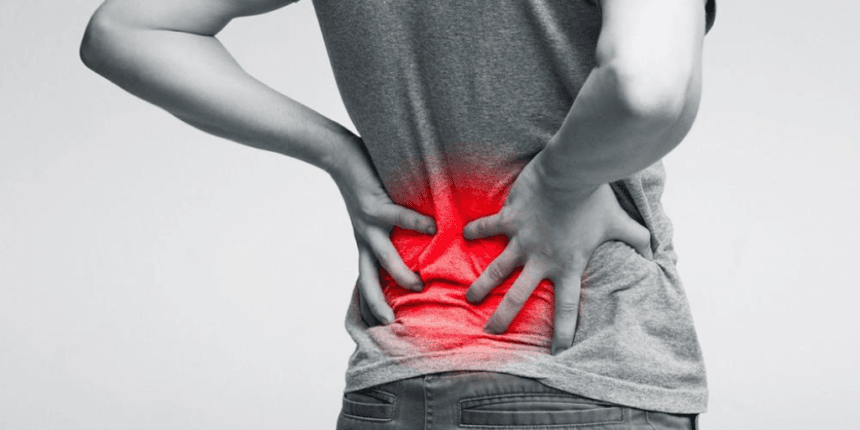

Sciatica is one of the most common forms of nerve-related pain, affecting millions of people worldwide. Characterised by pain that radiates from the lower back down through the hips, buttocks, and legs, sciatica can significantly impact daily life if left untreated. Understanding what triggers sciatic nerve pain is essential for early intervention and effective management.
- What Is Sciatica?
- Common Causes of Sciatica
- 1. Herniated or Bulging Disc
- 2. Spinal Stenosis
- 3. Piriformis Syndrome
- 4. Degenerative Disc Disease
- 5. Injury or Trauma
- 6. Poor Posture and Sedentary Lifestyle
- 7. Pregnancy
- 8. Obesity
- Symptoms You Shouldn’t Ignore
- When to Seek Professional Help
- Treatment and Prevention Tips
- Conclusion
In this article, we explore the most common causes of sciatica and why you shouldn’t ignore the warning signs.
What Is Sciatica?
Sciatica refers to pain caused by irritation or compression of the sciatic nerve, the longest nerve in the human body. This nerve runs from the lower spine through the hips and down each leg. When something puts pressure on it, symptoms such as sharp pain, tingling, numbness, or muscle weakness can occur.
Common Causes of Sciatica
1. Herniated or Bulging Disc
One of the leading triggers of sciatica is a herniated disc. The spine is made up of vertebrae cushioned by soft discs. When a disc slips out of place or ruptures, it can press against the sciatic nerve, causing inflammation and pain.
2. Spinal Stenosis
Spinal stenosis occurs when the spinal canal narrows, putting pressure on the nerves. This condition is more common in older adults and can gradually lead to sciatic nerve pain, especially during walking or standing.
3. Piriformis Syndrome
The piriformis muscle, located deep in the buttocks, can sometimes irritate the sciatic nerve. When this muscle tightens or spasms, it may compress the nerve, resulting in pain that mimics sciatica.
4. Degenerative Disc Disease
As we age, the spinal discs naturally wear down. This condition, known as degenerative disc disease, can lead to nerve compression and trigger chronic sciatica symptoms.
5. Injury or Trauma
Accidents, falls, or sports injuries can damage the spine or surrounding tissues, leading to inflammation and pressure on the sciatic nerve. Even minor injuries, if untreated, can worsen over time.
6. Poor Posture and Sedentary Lifestyle
Sitting for long hours, especially with poor posture, is a major contributor to sciatica. Office workers and drivers are particularly at risk. Lack of movement can weaken core muscles, increasing pressure on the lower back.
7. Pregnancy
During pregnancy, the body undergoes significant changes, including weight gain and shifts in posture. These changes can place additional pressure on the sciatic nerve, leading to temporary discomfort.
8. Obesity
Excess body weight increases stress on the spine, which can contribute to disc problems and nerve compression. Maintaining a healthy weight is crucial for preventing sciatica.
Symptoms You Shouldn’t Ignore
Sciatica symptoms can vary in intensity but often include:
- Sharp, shooting pain from the lower back to the leg
- Tingling or “pins and needles” sensation
- Numbness in the leg or foot
- Muscle weakness
- Pain that worsens with sitting or sudden movements
Ignoring these symptoms can lead to chronic pain and reduced mobility.
When to Seek Professional Help
While mild cases of sciatica may improve with rest and home remedies, persistent or severe symptoms require professional evaluation. You should seek help if:
- Pain lasts longer than a few weeks
- Symptoms are getting worse
- You experience significant weakness or numbness
- Daily activities become difficult
Early diagnosis can prevent complications and improve recovery outcomes.
Treatment and Prevention Tips
Managing sciatica involves addressing the root cause. Common treatment options include:
- Physiotherapy to strengthen muscles and improve flexibility
- Chiropractic care for spinal alignment
- Pain management techniques such as heat/ice therapy
- Lifestyle changes, including regular exercise and better posture
Preventive measures like maintaining an active lifestyle, using ergonomic furniture, and avoiding prolonged sitting can reduce your risk.
Conclusion
Sciatica is more than just back pain it’s a condition that can significantly affect your quality of life if ignored. By understanding the common triggers such as herniated discs, poor posture, and spinal conditions, you can take proactive steps to manage and prevent sciatic nerve pain.
If you’re experiencing persistent symptoms, don’t delay seeking professional advice. Early intervention is key to long-term relief and improved mobility.