
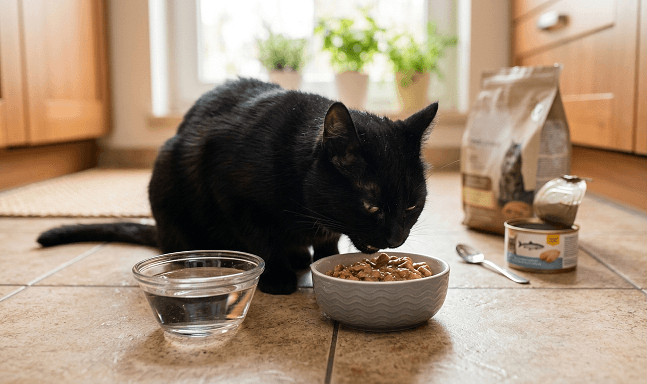

Many cat parents across the United States struggle with one common concern—making sure their cats get enough moisture in their diet. Cats naturally have a low thirst drive, which can sometimes lead to dehydration, urinary issues, or kidney stress. This is where wet cat food plays a powerful role.
- Why Wet Cat Food Matters for Modern Indoor Cats
- Common Problems Wet Cat Food Can Help Solve
- What Makes a High-Quality Wet Cat Food?
- 1. Real Animal Protein as the Foundation
- 2. Clean, Simple Ingredient Lists
- 3. No Unnecessary Fillers
- 4. Nutritional Balance
- Understanding Wet Cat Food Brands Without the Marketing Noise
- Is Wet Food Enough on Its Own?
- Feeding Tips for Better Results
- FAQs
- 1. Can wet cat food be fed every day?
- 2. Is wet food better than dry food?
- 3. How much wet food should I feed my cat?
- 4. Does wet food help with urinary health?
- 5. Should I rotate wet cat food brands?
- Final Thoughts
Wet food isn’t just a treat or an occasional topper. When chosen correctly, it can support hydration, digestion, and overall wellness at every life stage. This guide explains how wet food helps solve real problems faced by USA cat owners and how to choose the best wet food for cats without falling for misleading labels.
Why Wet Cat Food Matters for Modern Indoor Cats
Most cats today live indoors, eat scheduled meals, and rely entirely on their owners for nutrition. Unlike their wild ancestors, they don’t hunt moisture-rich prey. Wet food helps bridge that gap by naturally increasing daily water intake.
Key benefits include:
- Higher moisture content for hydration
- Softer texture for kittens and senior cats
- Enhanced aroma and taste for picky eaters
- Easier digestion for sensitive stomachs
For many cats, wet food is not just preferred—it’s necessary.
Common Problems Wet Cat Food Can Help Solve
USA cat parents often turn to wet food after noticing issues such as:
- Low water consumption
- Recurrent urinary tract problems
- Poor appetite or food refusal
- Weight management challenges
Because wet food is lower in carbohydrates and richer in moisture, it often supports healthier body weight and urinary health when compared to dry-only diets.
What Makes a High-Quality Wet Cat Food?
1. Real Animal Protein as the Foundation
Cats thrive on meat-based diets. Look for wet foods that clearly list chicken, turkey, salmon, or beef as primary ingredients.
2. Clean, Simple Ingredient Lists
Shorter ingredient lists with recognizable components are usually easier for cats to digest.
3. No Unnecessary Fillers
Avoid formulas loaded with artificial colors, sweeteners, or vague meat by-products.
4. Nutritional Balance
The food should meet AAFCO standards for your cat’s life stage, whether kitten, adult, or senior.
Understanding Wet Cat Food Brands Without the Marketing Noise
When browsing wet cat food brands, it’s easy to get distracted by words like “gourmet,” “premium,” or “natural.” Instead of relying on front-label claims, smart cat parents focus on:
- Ingredient transparency
- Clear nutritional information
- Consistent quality across batches
- Positive long-term feedback from pet owners
Trustworthy brands prioritize nutrition and safety over flashy packaging.
Is Wet Food Enough on Its Own?
For many cats, wet food can be a complete diet when properly formulated. Some owners prefer a mixed feeding routine that includes both wet and dry food to balance hydration and dental care.
The best wet food for cats is one that suits your cat’s health needs, lifestyle, and preferences—while being fed in proper portions.
Feeding Tips for Better Results
- Serve wet food at room temperature to enhance aroma
- Refrigerate opened cans and use within recommended time
- Monitor portion sizes to avoid overfeeding
- Observe litter box habits and energy levels
Small changes in feeding routines can lead to noticeable improvements in health and behavior.
FAQs
1. Can wet cat food be fed every day?
Yes, high-quality wet food can be fed daily if it provides complete and balanced nutrition.
2. Is wet food better than dry food?
Wet food offers hydration benefits, but the best choice depends on your cat’s health, age, and preferences.
3. How much wet food should I feed my cat?
Portion size depends on your cat’s weight, activity level, and the food’s calorie content.
4. Does wet food help with urinary health?
Wet food can support urinary health by increasing moisture intake, which helps dilute urine.
5. Should I rotate wet cat food brands?
Occasional rotation can prevent boredom and food sensitivities, as long as transitions are gradual.
Final Thoughts
Choosing the right wet cat food is about more than taste—it’s about hydration, digestion, and long-term wellness. By understanding ingredients, avoiding marketing traps, and selecting reputable wet cat food brands, USA cat parents can confidently support their cat’s health.
Whether you’re switching diets or refining your feeding routine, the best wet food for cats is one that keeps your feline hydrated, satisfied, and thriving.